
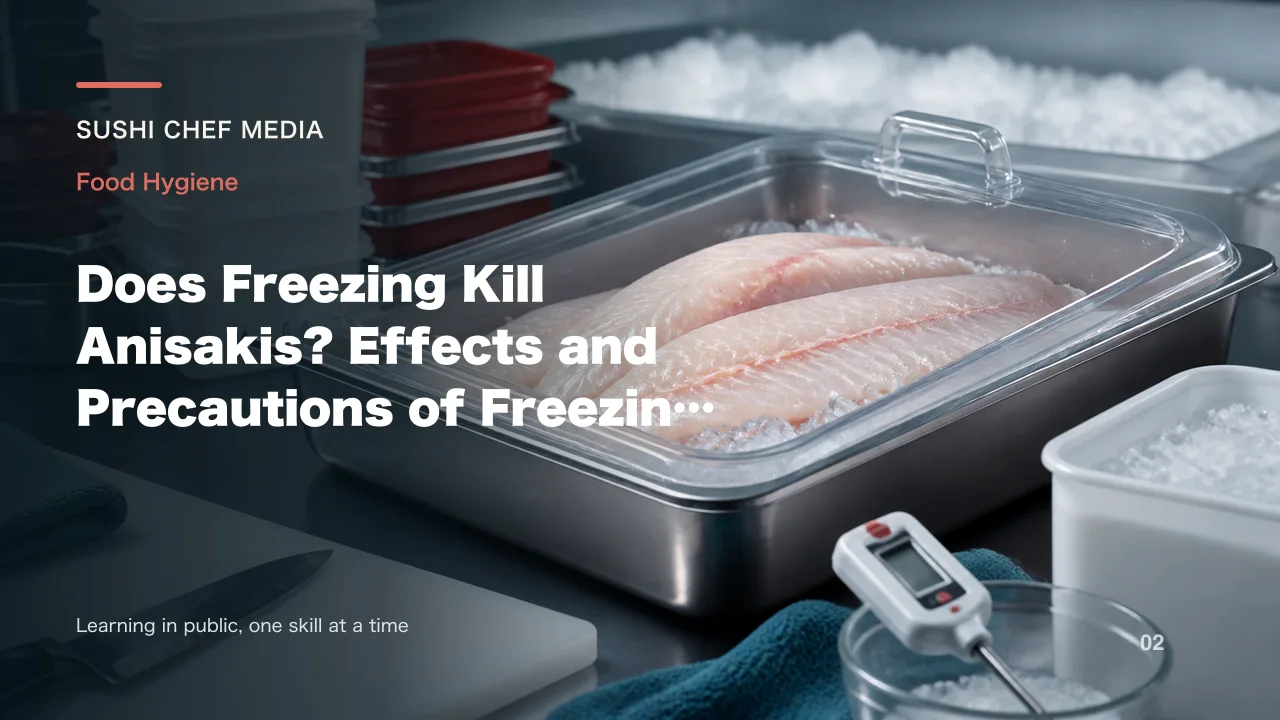
Anisakis is a nematode parasite that infests fish such as mackerel, saury, and salmon. When humans consume these fish raw, the parasite can invade the stomach or intestines, causing severe abdominal pain and other symptoms. Freezing and heat treatments are considered effective in preventing Anisakis food poisoning.
Differences Between Household and Commercial Freezers
Household and commercial freezers differ in cooling speed and temperature uniformity. Commercial freezers cool faster and maintain a more even temperature, which is believed to enhance the killing effect on Anisakis. In contrast, household freezers have slower cooling and more temperature variations, which may result in incomplete elimination of the parasite.
Difficulty of Visual Detection of Anisakis
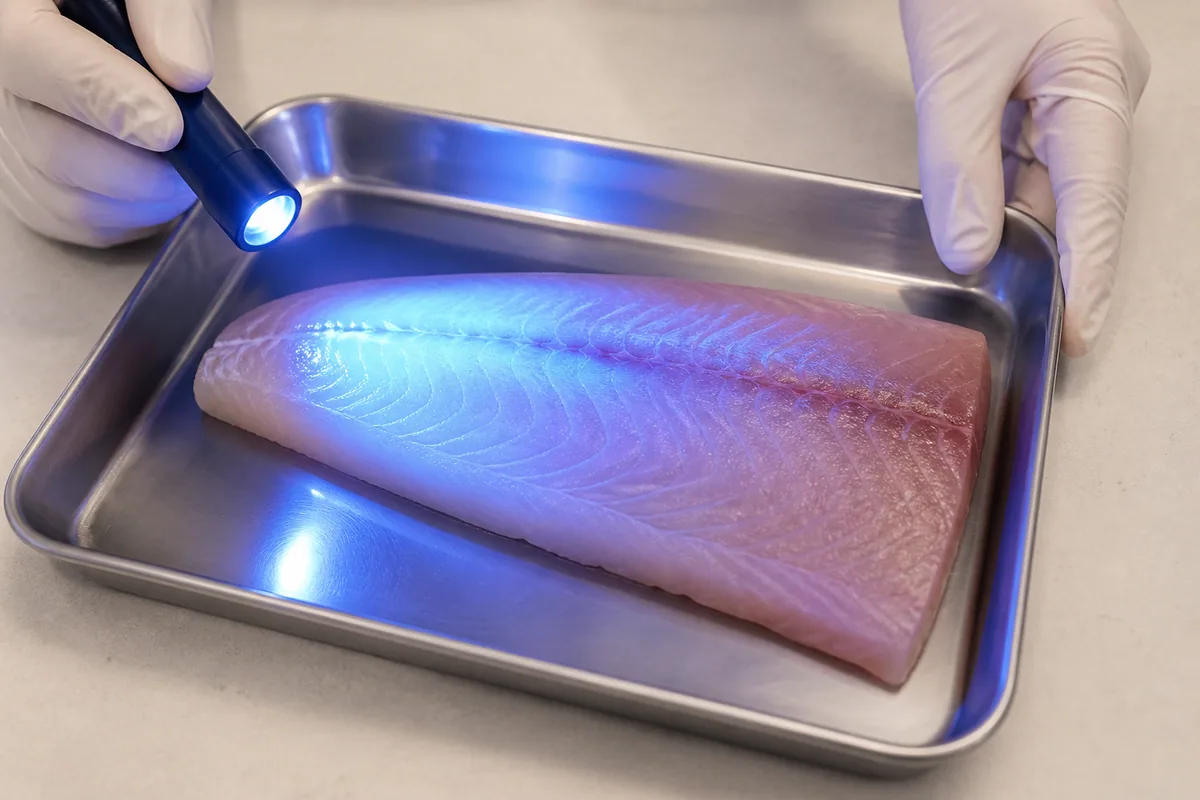
Anisakis larvae often embed within the fish muscle, making visual detection very difficult. Especially when the parasite has migrated into the muscle tissue, it is hard to find and completely remove Anisakis by visual inspection alone.
Summary
Proper freezing treatment at appropriate temperature and time settings can effectively kill Anisakis, but it is important to consider performance differences between household and commercial freezers. Since visual detection is challenging, relying solely on freezing is not sufficient; heat treatment and selecting fresh fish are also crucial. Avoidance of raw consumption is the most reliable prevention method.
Further Reading
Next steps to check include the specific temperature and time settings for freezing treatment, tips to improve freezing effectiveness in household freezers, and the conditions for killing Anisakis by heat treatment.