
Anisakis is a parasitic worm that infests various seafood, including mackerel, horse mackerel, Pacific saury, skipjack tuna, sardines, salmon, flounder, tuna, and squid. Consuming larvae of Anisakis that have infested these fish raw can cause the larvae to invade the stomach and intestines, potentially leading to severe abdominal pain and vomiting.
Anisakis parasites infest many marine seafood species, with mackerel, horse mackerel, Pacific saury, skipjack tuna, sardines, salmon, flounder, tuna, and squid being main hosts. Consuming the Anisakis larvae in these fish raw can allow the larvae to penetrate the stomach or intestines, causing symptoms such as intense abdominal pain and vomiting.
Preventive Measures
To prevent food poisoning caused by Anisakis, the following methods are effective:
-
Freezing Treatment: Freezing the fish at -20°C (-4°F) or below for at least 24 hours will kill the Anisakis larvae.
-
Heat Treatment: Cooking fish to a temperature of 70°C (158°F) or higher effectively kills Anisakis larvae.
-
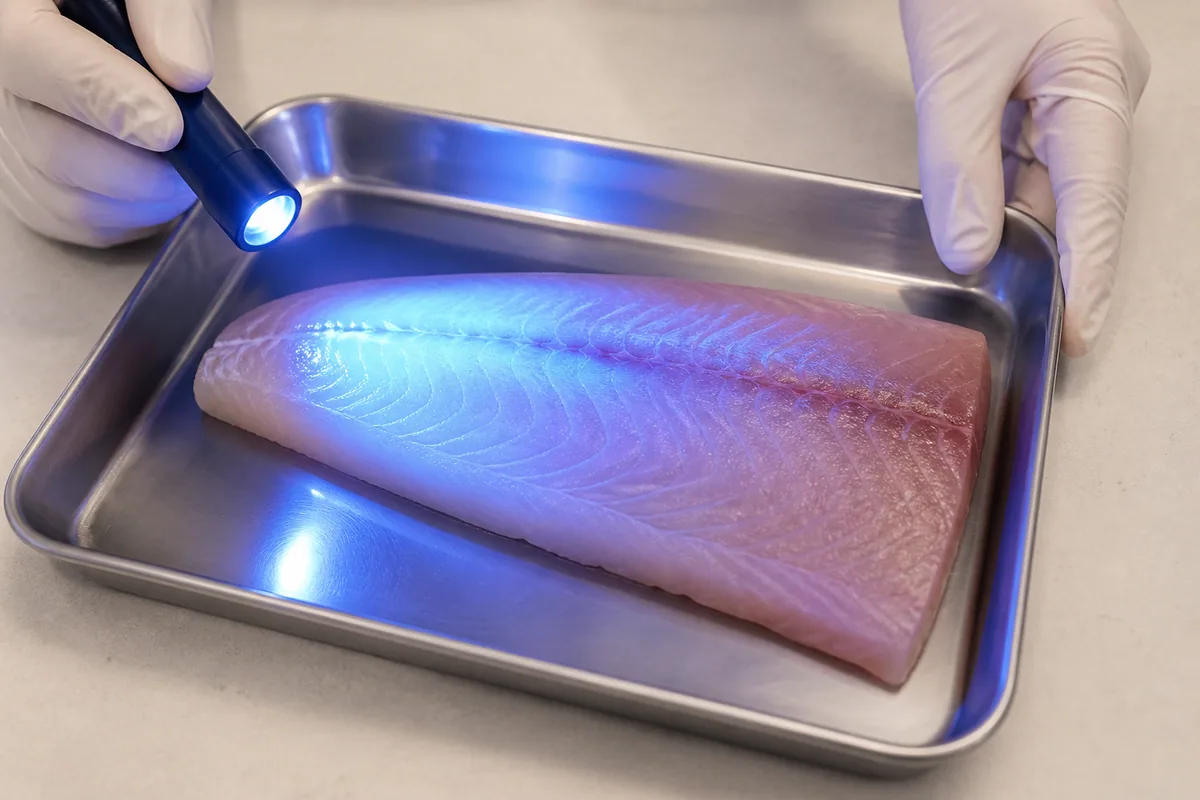
Visual Inspection: When purchasing fish, choose the freshest available. Remove the internal organs promptly, and carefully inspect the flesh visually to identify and remove any Anisakis larvae.
Pre-Publication Check
The current information is sourced from official agencies such as the Ministry of Health, Labour and Welfare and the National Institute of Infectious Diseases in Japan. However, the risk from Anisakis is influenced not only by fish species but also by individual variation, regional differences, and storage conditions. Therefore, it is important to confirm the latest information and local hygiene conditions.
Summary
Anisakis is a parasite that infects many marine seafood species, and infection through eating raw seafood is a recognized problem. Understanding the risk by fish species and implementing appropriate preventive measures can reduce the risk of Anisakis-related food poisoning.