
The number of Anisakis parasites found in sardines varies significantly due to factors including the fish species, individual fish, place of origin, and season. Therefore, it is difficult to state a uniform number of Anisakis present in a single sardine.
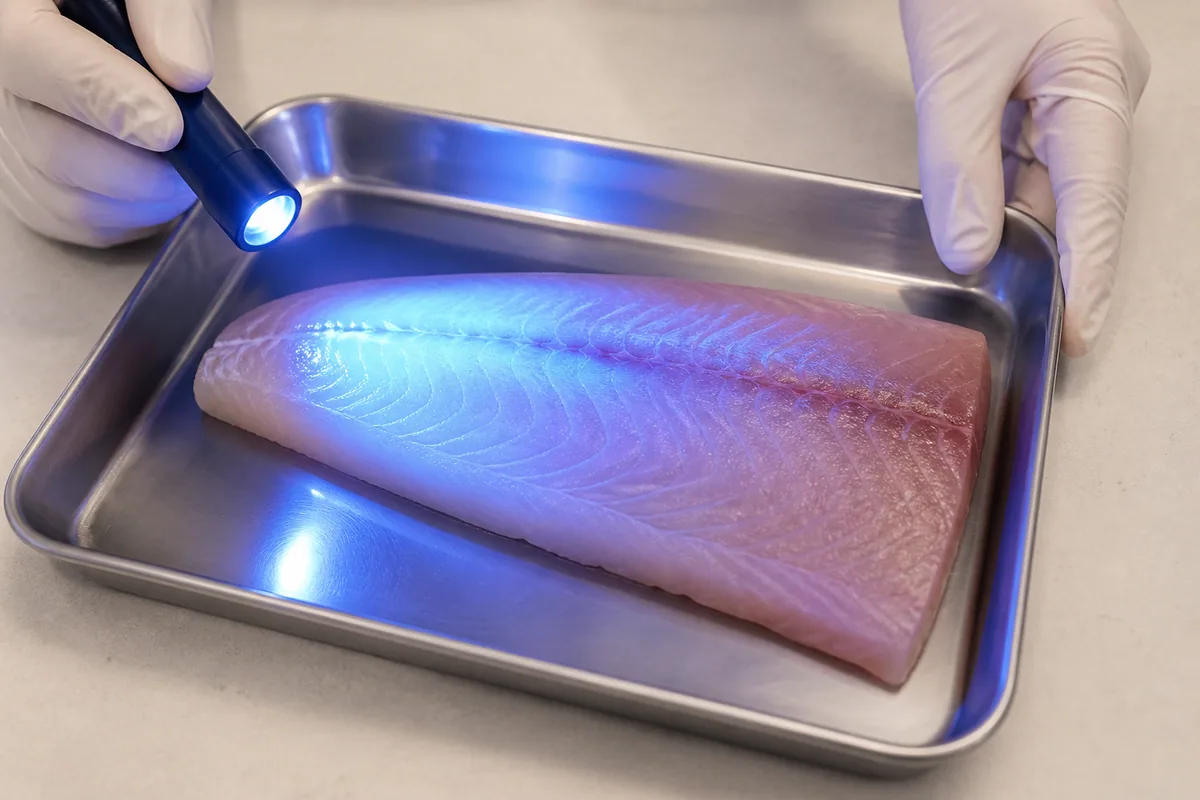
Anisakis is a type of parasitic roundworm (nematode) commonly found in fish and seafood such as mackerel, horse mackerel, Pacific saury, bonito, sardines, salmon, and squid. The larvae measure approximately 2 to 3 cm in length and 0.5 to 1 mm in width, appearing as white thread-like worms.
Factors Influencing the Rate of Anisakis Infestation
The rate of Anisakis infestation fluctuates based on the following factors:
-
Fish Species: Certain species such as mackerel, horse mackerel, and sardines tend to have higher infestation rates.
-
Individual Differences: Even within the same species, infestation rates can vary from fish to fish.
-
Place of Origin: Fishing regions can influence the prevalence of Anisakis.
-
Season: Infestation rates may also change depending on the season.
Risks of Food Poisoning Caused by Anisakis
Food poisoning from Anisakis occurs by consuming raw or insufficiently cooked seafood. Symptoms often arise within a few hours of infection and include severe abdominal pain, nausea, and vomiting.
How to Prevent Food Poisoning from Anisakis
To prevent food poisoning caused by Anisakis, the following methods are recommended:
-
Thorough Cooking: It is crucial to cook seafood thoroughly, ensuring the core reaches adequate temperatures.
-
Freezing Treatment: Freezing seafood at -20°C or below for at least 24 hours effectively kills Anisakis larvae.
Summary
Since the number of Anisakis parasites in sardines varies markedly based on fish species, individual fish, origin, and season, it is challenging to specify a standard number present in a single sardine. To prevent Anisakis-related food poisoning, it is advised to either cook seafood thoroughly or freeze it at -20°C or below for a minimum of 24 hours.
Next Steps to Consider
-
Investigate seasons and regions with higher rates of Anisakis infestation.
-
Review the latest statistical information on Anisakis-related food poisoning cases.