
The reason why the ease of refrigerated storage varies by fish species is because moisture content, fat, flesh tenderness, amount of bloodline (dark red muscle along the spine), bacteria, and histamine effects differ.
However, “fish that are easier to store = always safe to eat raw” is not true. Prioritize checking for labels indicating suitability for raw consumption and expiration dates.
Differences in Moisture and Flesh Texture
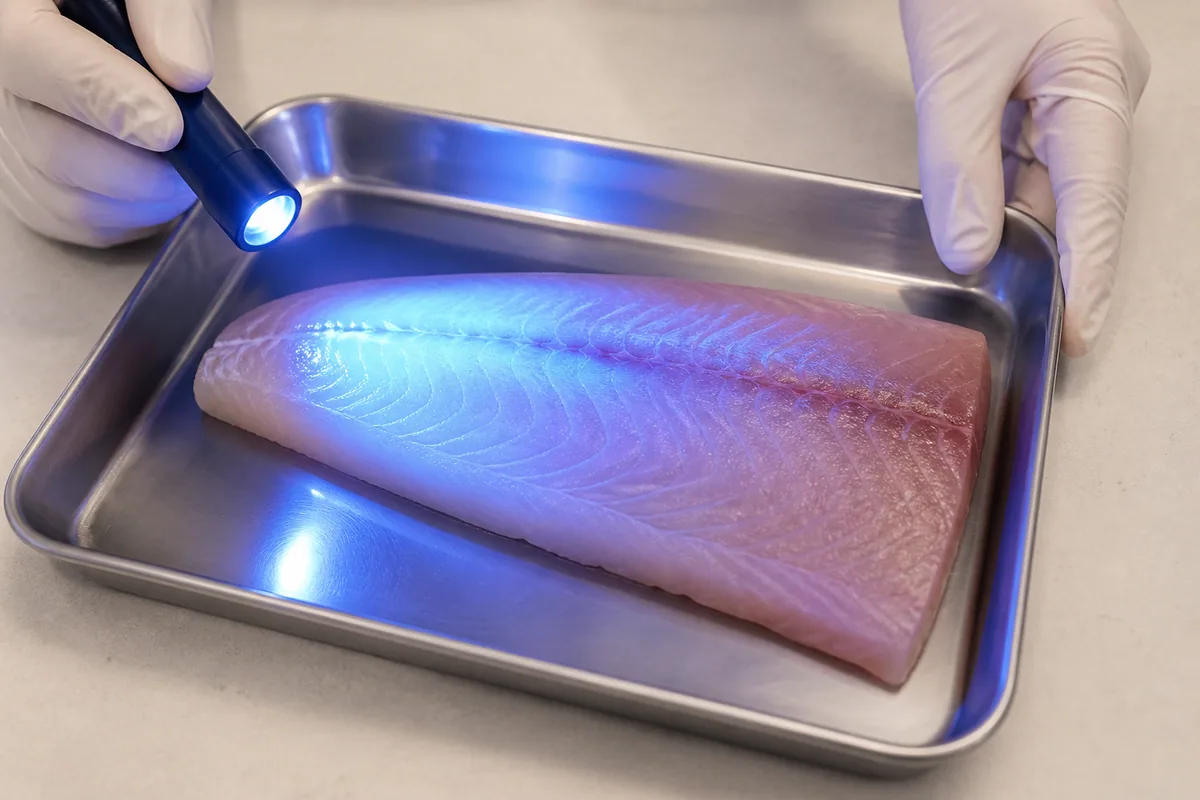
Fish with higher moisture or softer flesh tend to have their texture affected more easily when drip (fluid released from the fish) forms. While moisture can be removed somewhat using kitchen paper, this does not extend the storage period indefinitely.
Even among white-fleshed fish, freshness changes depending on slice thickness, cut style, and refrigerator temperature.
Differences in Fat and Bloodline
Fatty fish can experience more rapid changes in aroma, while fish with abundant bloodline show freshness deterioration more noticeably through flavor changes. Species such as tuna, bonito, mackerel, sardines, and horse mackerel require extra caution regarding histamine.
Note: Histamine is a compound that can cause food poisoning if fish are improperly stored; certain fish species have higher histidine (a precursor to histamine) levels.
How to Judge at Home
Do not rely solely on general impressions of the fish species; instead, check the following:
- Is it labeled for raw or cooked use?
- Is it within the expiration date?
- Was it refrigerated immediately after purchase?
- Has it been kept out of room temperature or warm conditions?
- Are the kitchen papers and storage containers kept clean?
If any of these are uncertain, it is safer to avoid eating the fish raw.
Summary
The storage quality of fish varies not only by species but also by individual fish, processing, transportation, home handling, and refrigerator conditions. Comparisons of ease of storage serve only as helpful reference for how to handle fish properly.