
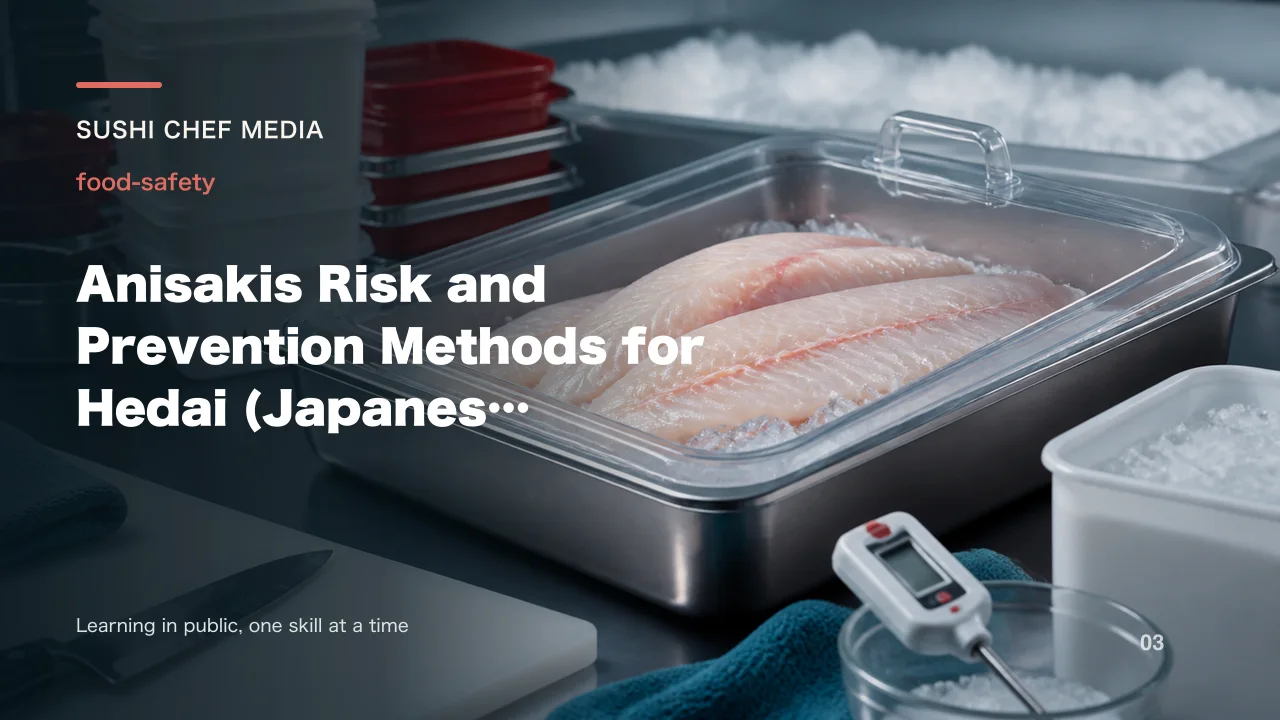
Hedai (Japanese butterfish) carries a risk of Anisakis parasite infestation that is considered lower than that of high-risk fish such as mackerel and horse mackerel, but the risk is not zero.
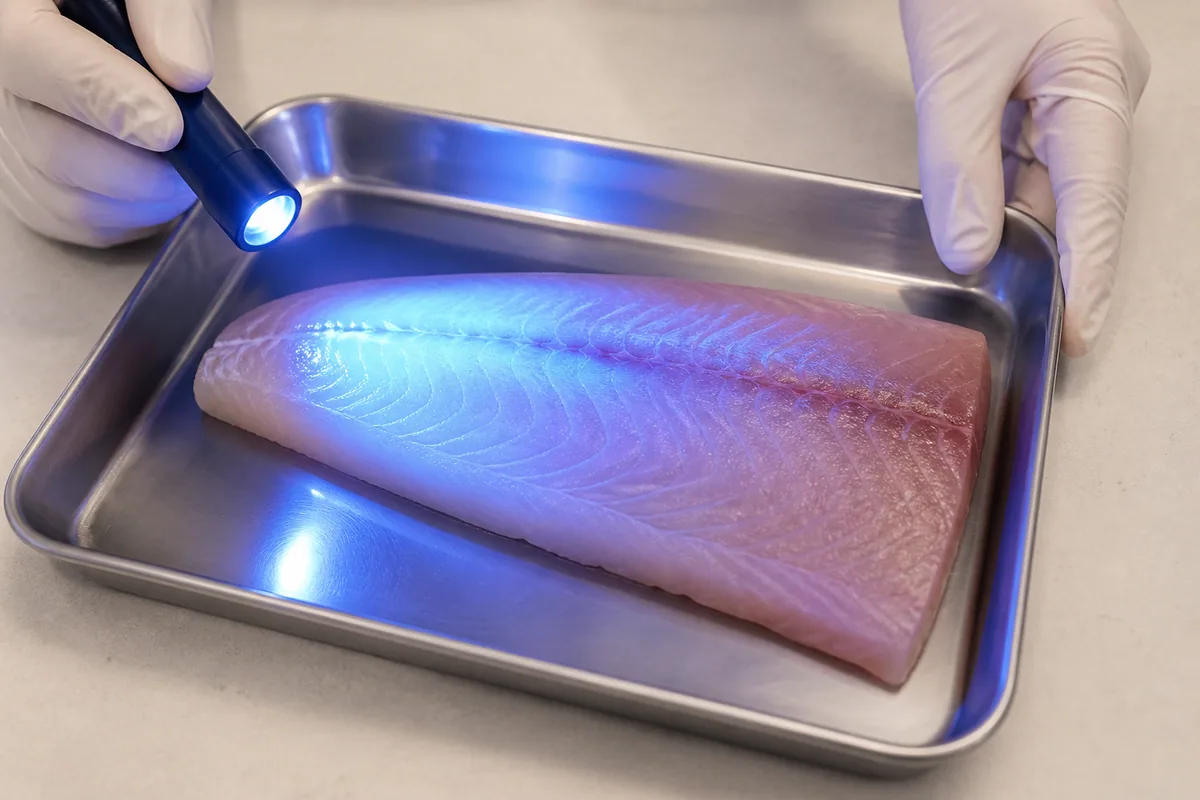
Symptoms and Prevention of Anisakiasis
Anisakiasis occurs when Anisakis larvae in infected fish or seafood are eaten raw, allowing the larvae to invade the stomach or intestines, causing severe abdominal pain, vomiting, and other symptoms.
Handling and Prevention Methods for Hedai
To minimize the risk of Anisakis when consuming Hedai raw, the following methods are effective:
-
Freezing: Freeze at -20°C (-4°F) or below for at least 24 hours to kill Anisakis larvae.
-
Heat treatment: Heating the fish to at least 60°C (140°F) for more than 1 minute is recommended.
Summary
Hedai carries a lower risk of Anisakis parasite infection compared to other fish, but it is not completely free of risk. Avoiding raw consumption or applying appropriate freezing or heat treatment methods can minimize this risk.
-
Prevent food poisoning caused by Anisakis: Ministry of Health, Labour and Welfare
-
Detailed information on Anisakiasis: National Institute of Infectious Diseases
-
Be cautious of food poisoning caused by Anisakis
Next steps: Learn how to identify freshness and proper storage methods for Hedai.