Hedai (Red Sea Bream) is prized for its delicate flavor and diverse cooking methods. It can be enjoyed in many ways such as sashimi, nigiri sushi, kombu-jime (kelp curing), salt-grilling, and sake-steaming. Here, we organize the characteristics and points of caution for each method and compare them with practical notes.
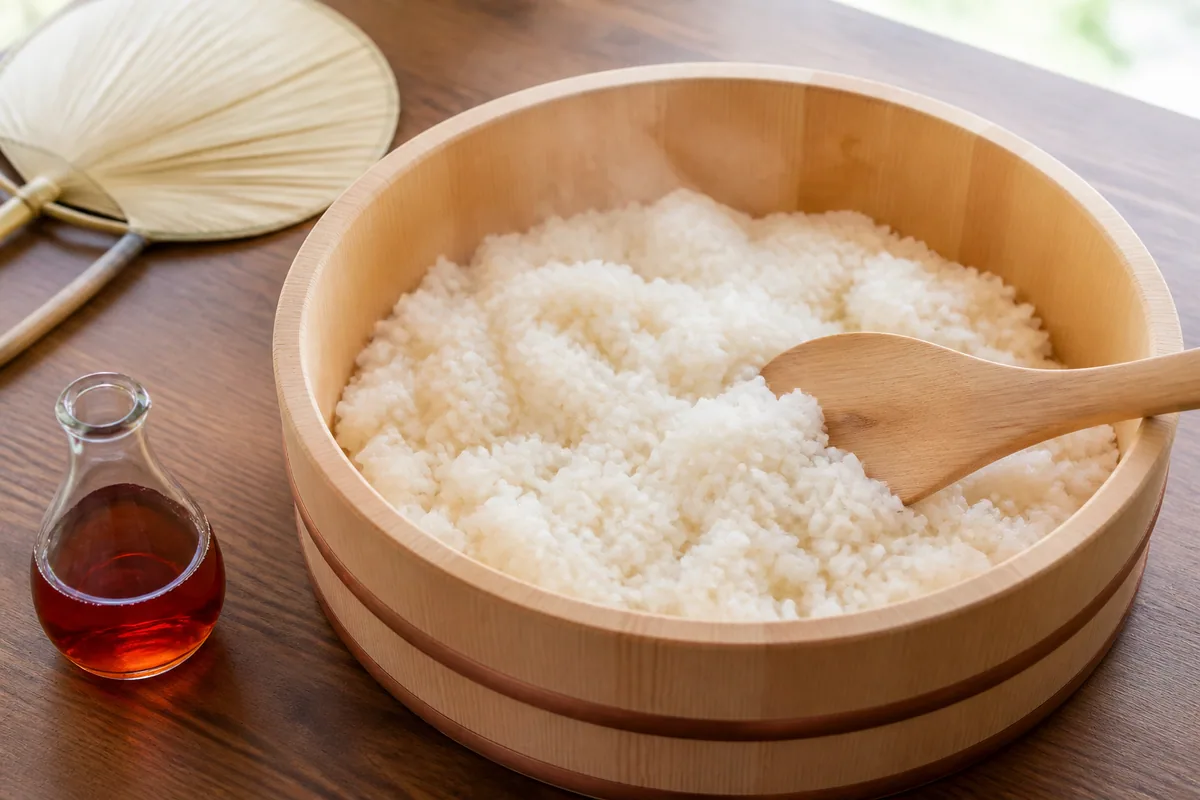
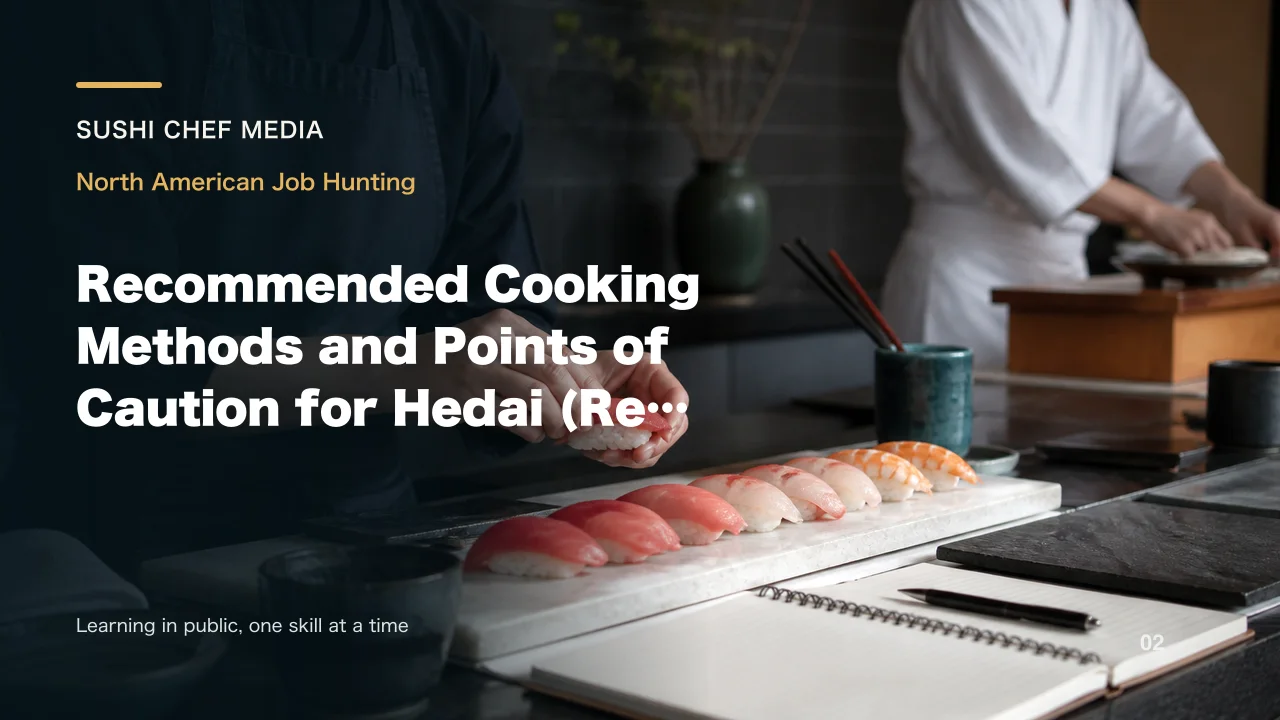
Nigiri Sushi
Characteristics
- Similar to sashimi, fresh Hedai is placed over vinegared rice (shari) to be eaten.
Points of Caution
- When forming nigiri, care is needed to prevent the Hedai slices from falling apart.
Kombu-jime (Kelp Curing)
Characteristics
- Hedai fillets are sandwiched between kombu (kelp) and left to rest for several hours to overnight, enhancing umami.
Points of Caution
- Be careful with the salt content of the kombu, as too much salt can deteriorate the taste of the fish.
Salt-Grilling
Characteristics
- Hedai fillets are sprinkled with salt and grilled in a grill or oven.
Points of Caution
- Avoid overcooking as it can make the flesh tough. Monitor cooking time carefully.
Sake-Steaming
Characteristics
- Hedai is steamed together with sake, which locks in umami.
Points of Caution
- Over-steaming can dry out the flesh, so adjust steaming time appropriately.
Summary
Hedai can be enjoyed through various cooking methods, but it is important to understand the points of caution for each and consult practical notes to prepare it properly. Next, let’s learn about Hedai’s storage methods and other cooking techniques.