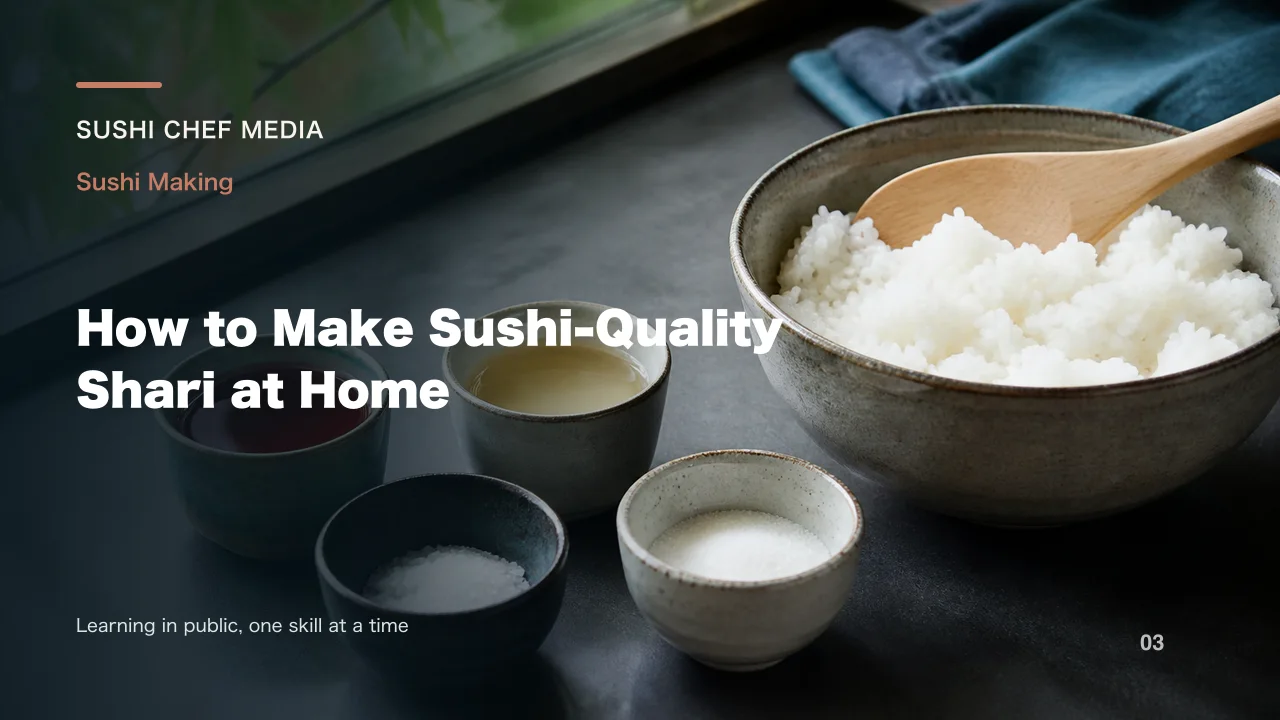
This article explains the steps and important points for making sushi-restaurant-level shari (sushi rice) at home.
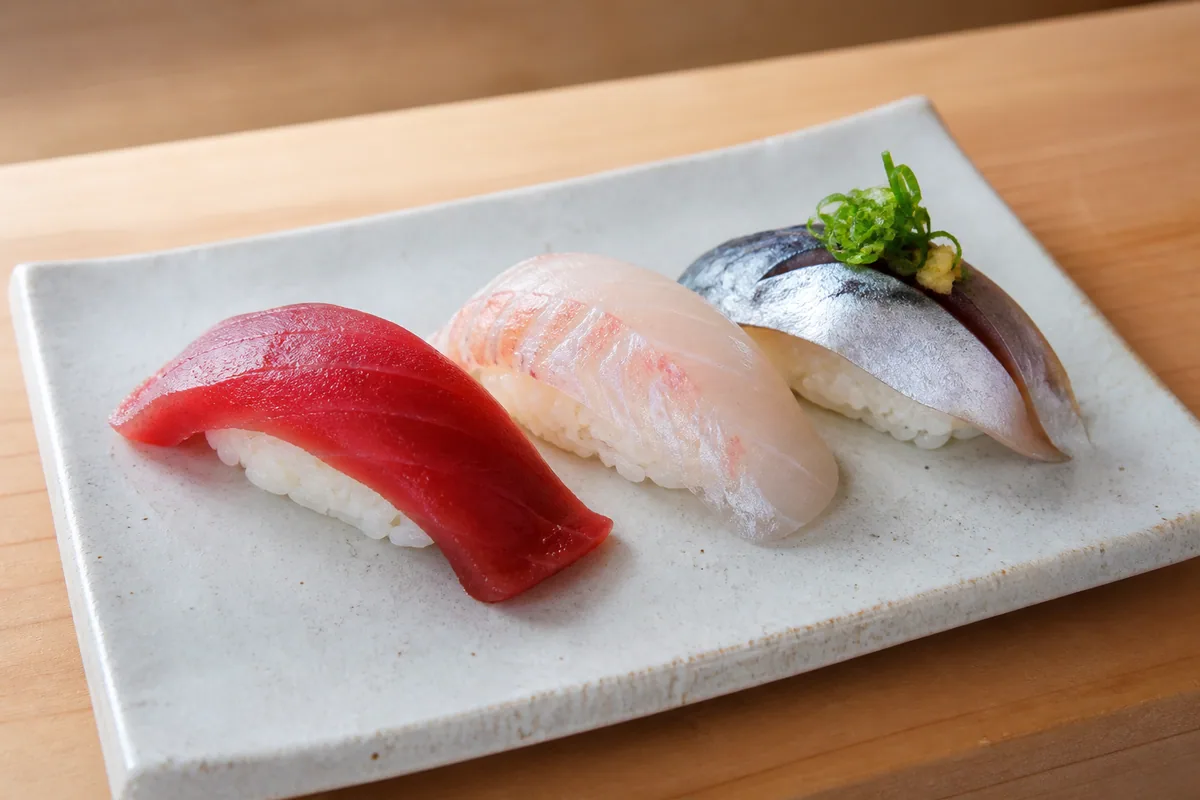
This time, I tried using red vinegar instead of rice vinegar.
Compared to using rice vinegar, I felt that the rice grains loosened more easily and individually, yet the shari itself held together well. When making sushi at home, not only the flavor but also the ease of handling the shari after mixing with vinegar is important, so this was a very good impression.
This is an observation based on the specific red vinegar, rice, and moisture conditions used this time. Next, I plan to compare the amount of red vinegar used against rice vinegar under the same rice and cooking conditions.
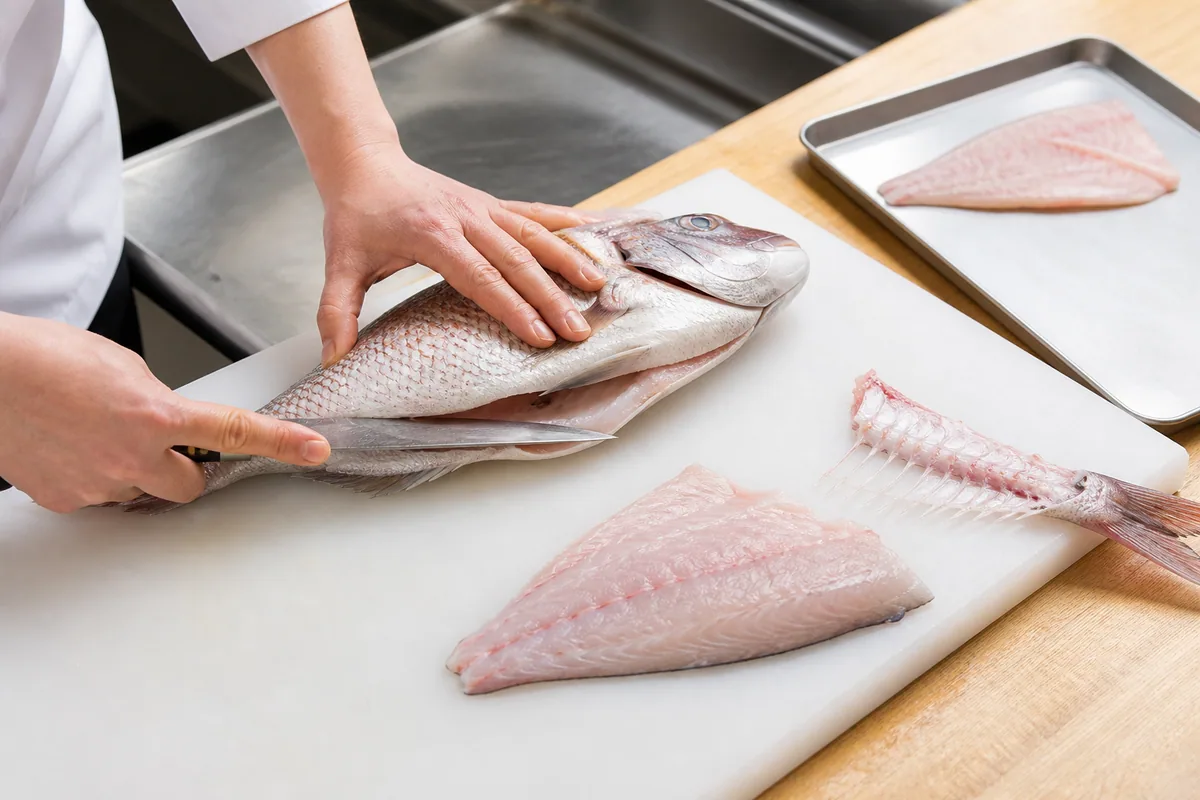
It is possible to make authentic sushi rice (shari) even at home. By paying attention to key points from rice selection to cooking, vinegar mixing, and temperature control, you can reproduce shari close to that served at sushi restaurants.
Steps and Key Points
-
Rice Selection
- Point: Choose Japanese short-grain rice such as Koshihikari, Tsuyahime, or Yumetsukushi.
- Reason: These varieties have good grain separation, appropriate stickiness, and texture suited for sushi.
-
Washing the Rice
- Point: Gently wash the rice, being careful not to break the grains in the first 5 seconds.
- Reason: Avoids damaging the grains and removes excess starch, improving texture.
-
Soaking (Hydration)
- Point: Soak the rice for about 30 minutes in summer and 1 to 1.5 hours in winter.
- Reason: Allows the rice to absorb water evenly, leading to better texture after cooking.
-
Cooking
- Point: Set the water level in the rice cooker slightly less than usual for white rice.
- Reason: To account for the vinegar added later and prevent stickiness.
-
Steaming
- Point: After cooking, steam the rice with the lid closed for 10 to 15 minutes.
- Reason: Allows the rice to absorb extra moisture and become fluffy.
-
Mixing with Vinegar (Su-awase)
- Point: Add the sushi vinegar evenly when the rice temperature is between 60–70°C (140–158°F).
- Reason: Ensures the vinegar penetrates each grain thoroughly, creating glossy shari.
-
Cooling and Finishing
- Point: Mix by cutting gently with a shamoji (rice paddle) and cool by fanning with an uchiwa (hand fan).
- Reason: Removes harsh acidity from the vinegar, adds shine, and cools it to the ideal temperature.
Important Notes
-
Temperature Control: The ideal temperature for shari is 36–40°C (97–104°F). If it cools too much, it becomes crumbly; if too warm, the vinegar aroma dissipates. Proper temperature management is essential.
-
Storage: Shari is best eaten fresh. Avoid long storage and consume within about 2 hours after preparation.
Pre-Serving Checks
-
Hygiene Management: Strictly maintain hygiene practices, especially for raw food safety.
-
Ingredient Freshness: Ensure fresh and properly stored fish and other ingredients.
Summary
Making sushi-restaurant-quality shari at home requires careful attention at every stage—from selecting rice, cooking, mixing with vinegar, to temperature control. By following these points, you can enjoy authentic sushi rice in your own kitchen.