
Sardines are a fatty fish that spoil easily. Therefore, to keep their freshness and enjoy them deliciously, there are two common preparation methods: kombu-jime and su-jime.
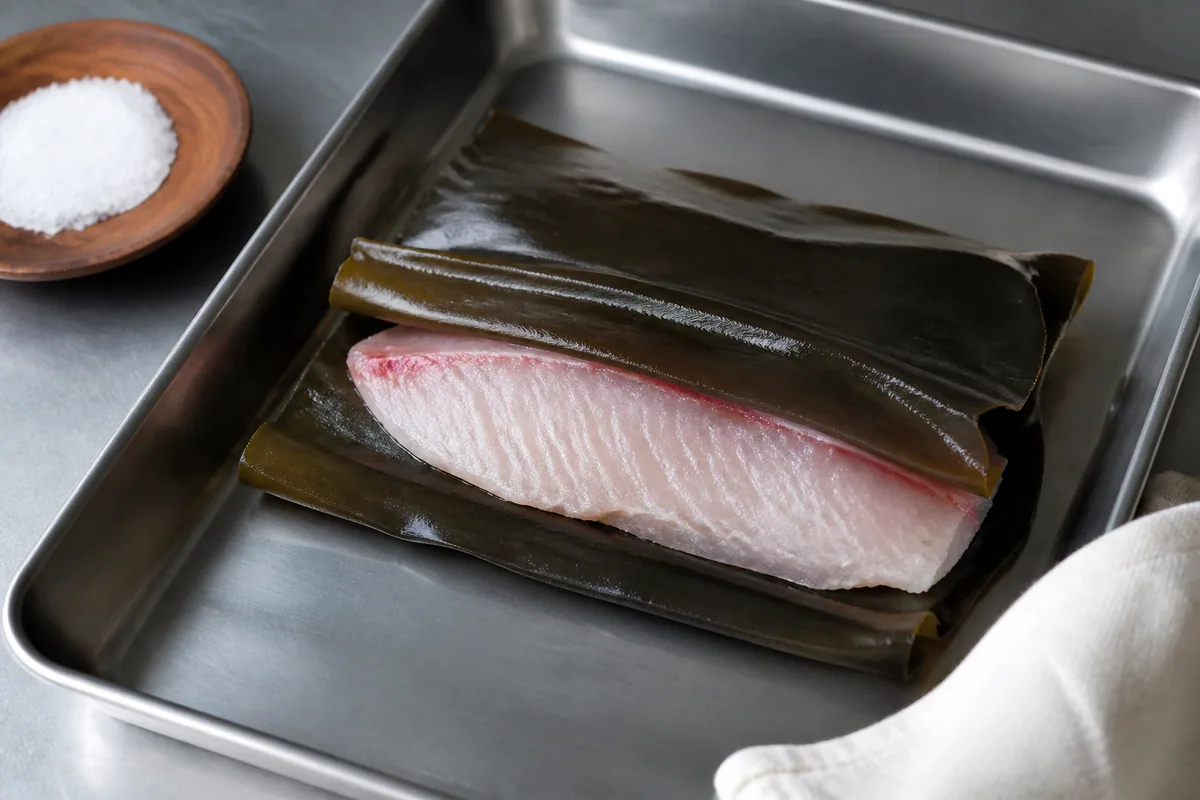
For sardines, which are fatty and prone to spoilage, su-jime (vinegar curing) is generally preferred and easier to balance.
Procedure: How to Make Su-Jime
- Preprocessing: Remove the head and guts from the sardines.
- Salt rubbing: Lightly sprinkle with salt, let sit for about 10 minutes, then pat dry to remove moisture.
- Prepare the vinegar solution: Mix rice vinegar, sugar, and mirin to make a sweet vinegar marinade.
- Marinating: Soak the sardines in the sweet vinegar and refrigerate for 1 to 2 hours.
- Finishing: Remove from marinade, lightly pat dry, and cut into easy-to-eat pieces.
Precautions: Common Pitfalls
- Managing marinating time: Over-marinating can result in overly sour flavor, so timing is important.
- Hygiene management: Since this is raw-fish preparation, there are risks of parasites and bacteria, requiring proper handling.
Pre-Publication Checks: Points to Confirm
- Parasite countermeasures: In Japan, freezing at -20°C for over 24 hours is recommended to eliminate parasites such as Anisakis.
Summary: Su-Jime is More Suitable
Considering that sardines have a high fat content and spoil easily, su-jime is generally preferred as a balanced preparation method. However, strict hygiene and parasite control are essential.
Next Steps
Check preservation methods to maintain sardine freshness and learn proper freezing techniques.