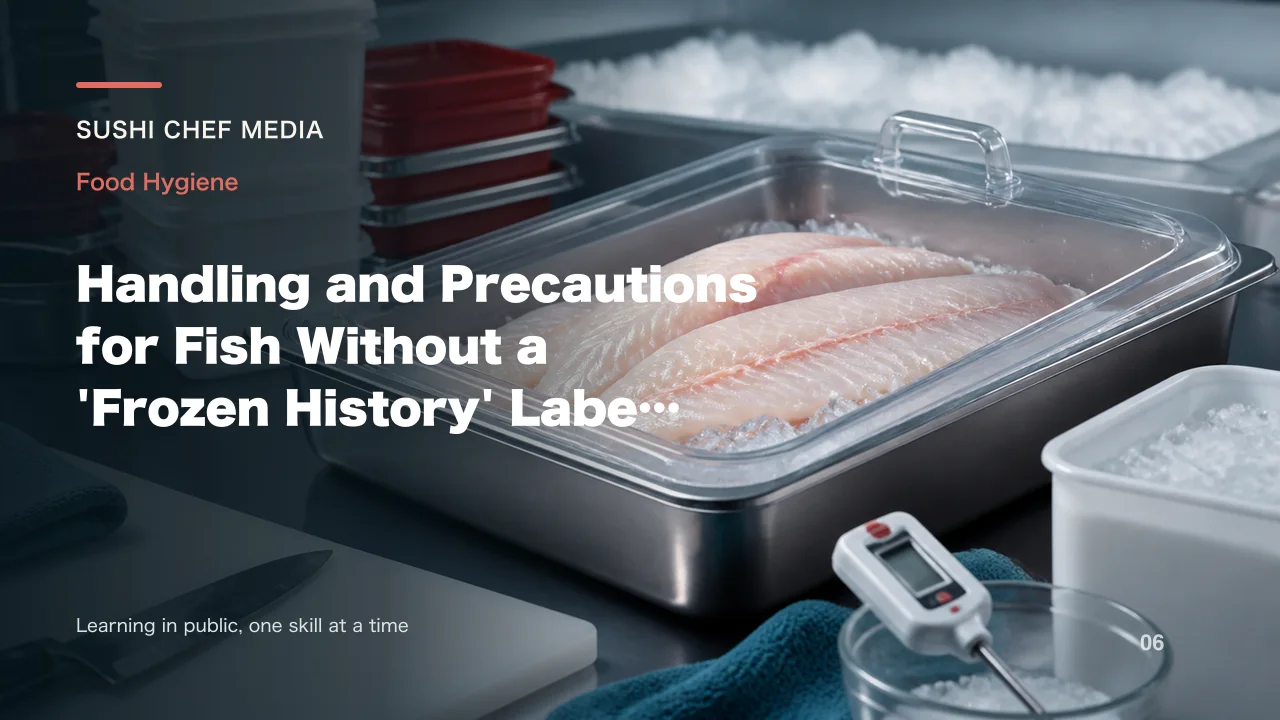
When purchasing fish intended for cooking, if there is no indication of a “frozen history” on the packaging, the fish may not have been frozen. This labeling indicates that the fish is meant to be cooked before consumption and does not necessarily reflect whether the fish was previously frozen.
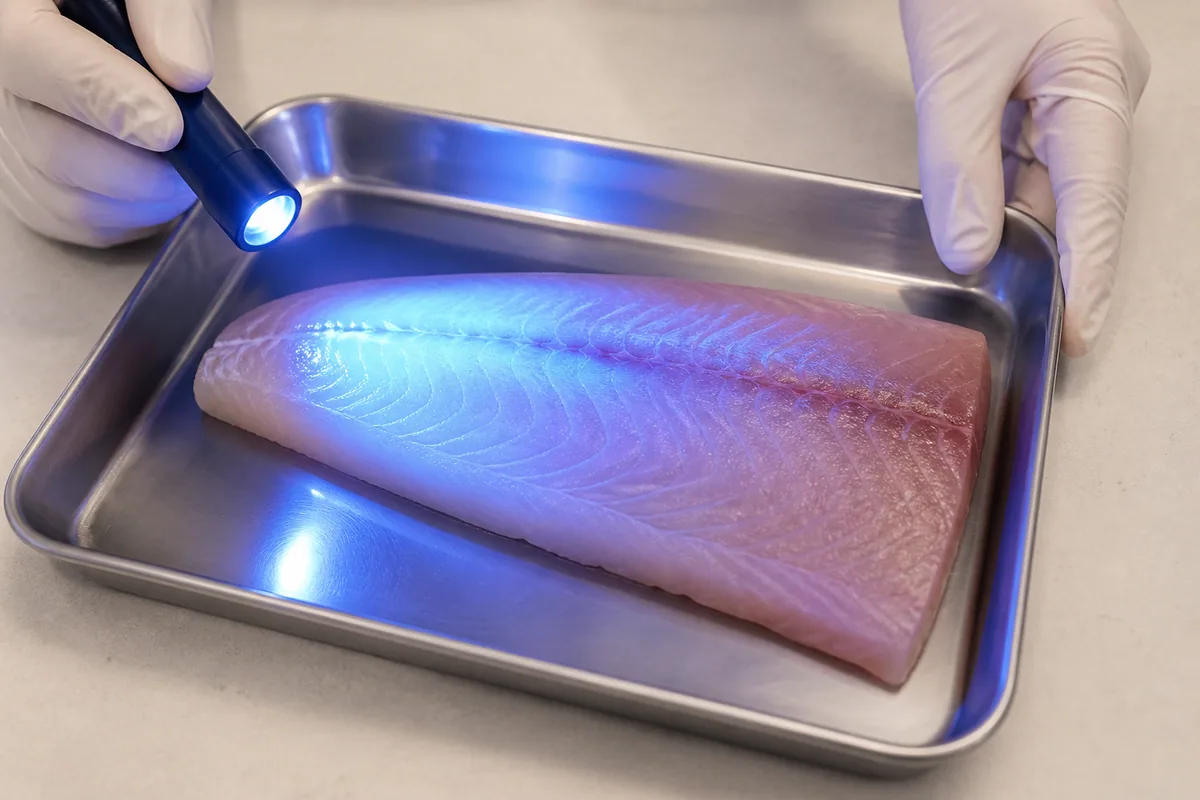
You need to verify whether the fish has a frozen history by checking the product information or the packaging labels. If there is no frozen history, similar hygiene management as for fish intended to be eaten raw is required.
Key Points for Hygiene Management
- Checking at Purchase: Confirm on the packaging whether there is an indication of frozen history.
- Storage Method: If there is no frozen history, promptly store the fish in the refrigerator after purchase and handle it hygienically.
- Pre-Cooking Check: Before cooking, inspect the freshness and smell of the fish to ensure there are no abnormalities.
Summary
If fish intended for cooking does not display a “frozen history” label, it may not have been frozen. In such cases, hygiene management equivalent to that for fish eaten raw is necessary. Always confirm the presence or absence of a frozen history on the packaging at purchase. If there is no frozen history, handle the fish hygienically and cook it promptly after purchase.
Next step to take or confirm: Check the packaging for “frozen history” status at purchase.