
When preparing katsuo (skipjack tuna) for sushi, it becomes easier to make delicious sushi by trying these three steps: applying a thin layer of salt to draw out moisture and blotting it off, pairing it with condiments, and lightly torching the surface.
However, make sure to use only skipjack tuna sold as safe for raw consumption. Salt and torching are seasoning methods that enhance flavor and texture, but they do not guarantee safety.
Basic Preparation
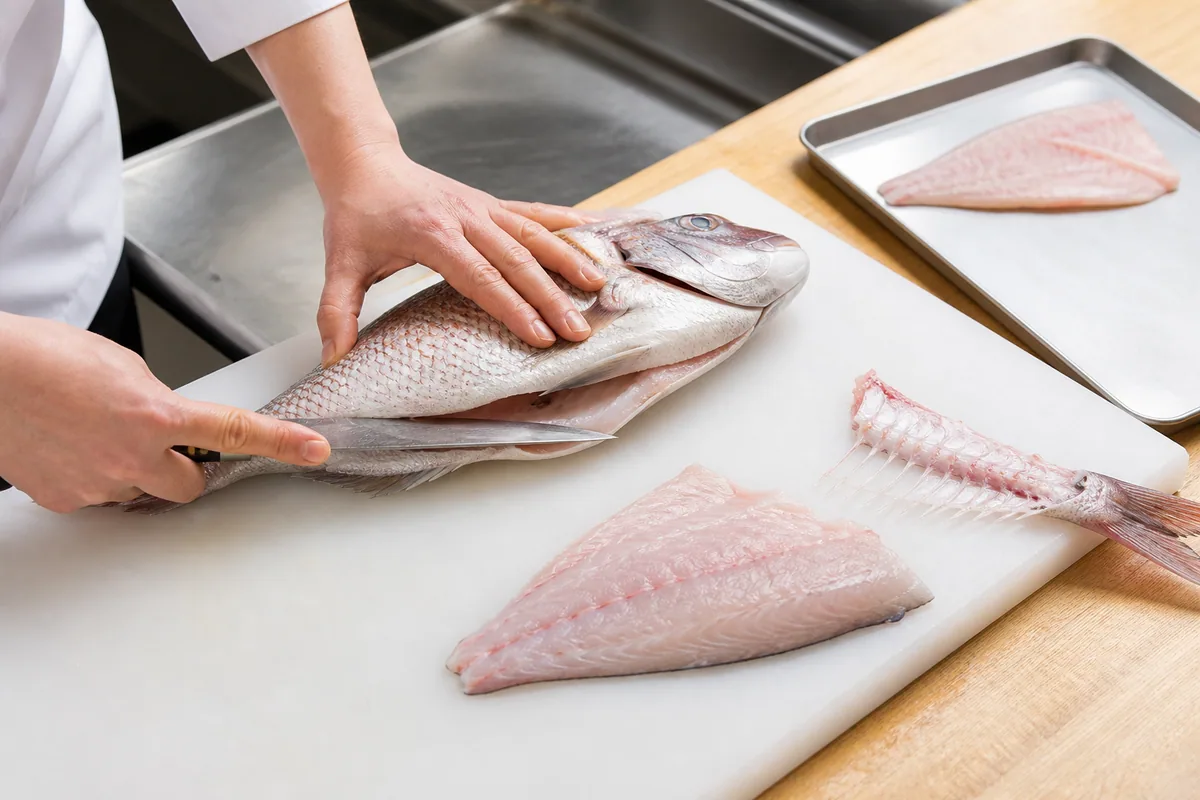
Sprinkle the tuna block lightly with salt and let it rest for 5 to 10 minutes. Then, use clean kitchen paper to press and remove the moisture that emerges on the surface. Finally, cut the fish into sushi-sized pieces.
Applying too much salt or leaving it too long will overly firm the flesh and make it too salty. It’s best to start with small amounts to find the right balance.
Using Condiments to Enhance Aroma
Ginger and green onion (negi) are a combination that complements katsuo by highlighting its aroma while refreshing the aftertaste. Applying a small amount of nikiri soy sauce—a simmered and slightly sweetened soy sauce often used in sushi—can help link the fish with the sushi rice.
Avoid overloading condiments; start with a small amount on each piece so as not to overpower the flavor of the katsuo.
When Using Torching
Lightly torch just the skin or surface of the fish for a short time. This adds a pleasant roasted aroma and makes it easier to pair with fatty “modori-katsuo” (late-season katsuo, which has more fat).
After torching, do not cut immediately; allow the surface heat to subside. When using a blowtorch, be cautious about flammable surroundings and to prevent burns.
Summary
With early-season katsuo, try using ginger and green onion; with late-season katsuo, try wasabi or torching to easily compare the different flavors.
Prioritize the “sashimi-grade” label on the fish, proper refrigeration after purchase, and consumption before the expiration date. It’s important not to confuse seasoning techniques with food safety measures.