
Kombu is an essential ingredient in Japanese cuisine, and the type and quality significantly affect the flavor of dashi broth (a basic soup stock). It is important to understand the differences between premium and affordable kombu and choose the appropriate one according to your usage.
Origin and Quality
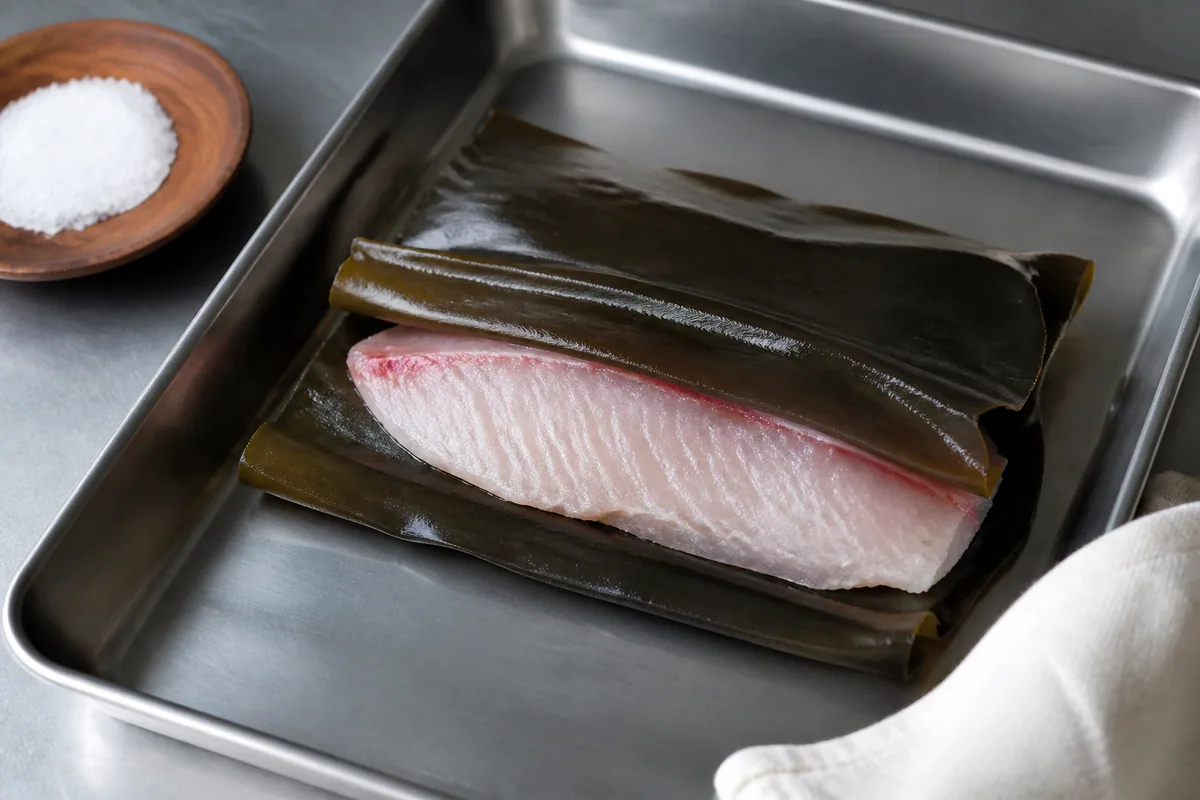
Premium kombu, such as Rishiri kombu and Rausu kombu, is harvested in the cold, nutrient-rich waters around Rishiri Island and Rausu Town in Hokkaido, Japan. These kombu varieties have a rich and deep umami (savory) flavor. They are thick and have a firm texture.
On the other hand, Hidaka kombu is harvested in the Hidaka region of Hokkaido. It tends to be thinner and has a softer texture. It is available at an affordable price and is suitable for everyday dashi making.
Aroma and Moisture Content
Premium kombu tends to have a robust aroma and an ideal moisture content, which helps extract a deep flavor when making dashi. Hidaka kombu has a milder aroma and higher moisture content, but because it can release excessive iodine when soaked for a long time, prolonged soaking should be avoided.
How to Choose Kombu
Selecting kombu according to the intended use is important. When making high-quality dashi, using Rishiri or Rausu kombu will bring out a profound umami flavor. For everyday dashi or simmered dishes, Hidaka kombu is suitable.
Points to Note
Kombu contains a high amount of iodine, so excessive intake should be avoided. Long soaking times can cause too much iodine to dissolve into the broth. Always follow appropriate quantities and soaking times carefully.
What to Check Next
Learn about kombu storage methods and tips for long-term storage to make better kombu selections.