
Rice vinegar and grain vinegar differ in their raw materials, production methods, flavor, aroma, and applications. Understanding these differences is important to selecting the appropriate vinegar for your cooking.
Raw Materials and Production Methods
-
Rice Vinegar: Primarily made from rice, often produced by the static fermentation method. This results in a mild acidity with a touch of sweetness.
-
Grain Vinegar: Made from grains such as rice, wheat, or corn, typically produced by the accelerated fermentation method. This creates a clean, sharp acidity.
Flavor and Aroma
-
Rice Vinegar: Characterized by a mellow acidity and sweetness, with a rich aroma derived from rice.
-
Grain Vinegar: Offers a crisp acidity with an aroma coming from the grains, though less pronounced than rice vinegar.
Applications
-
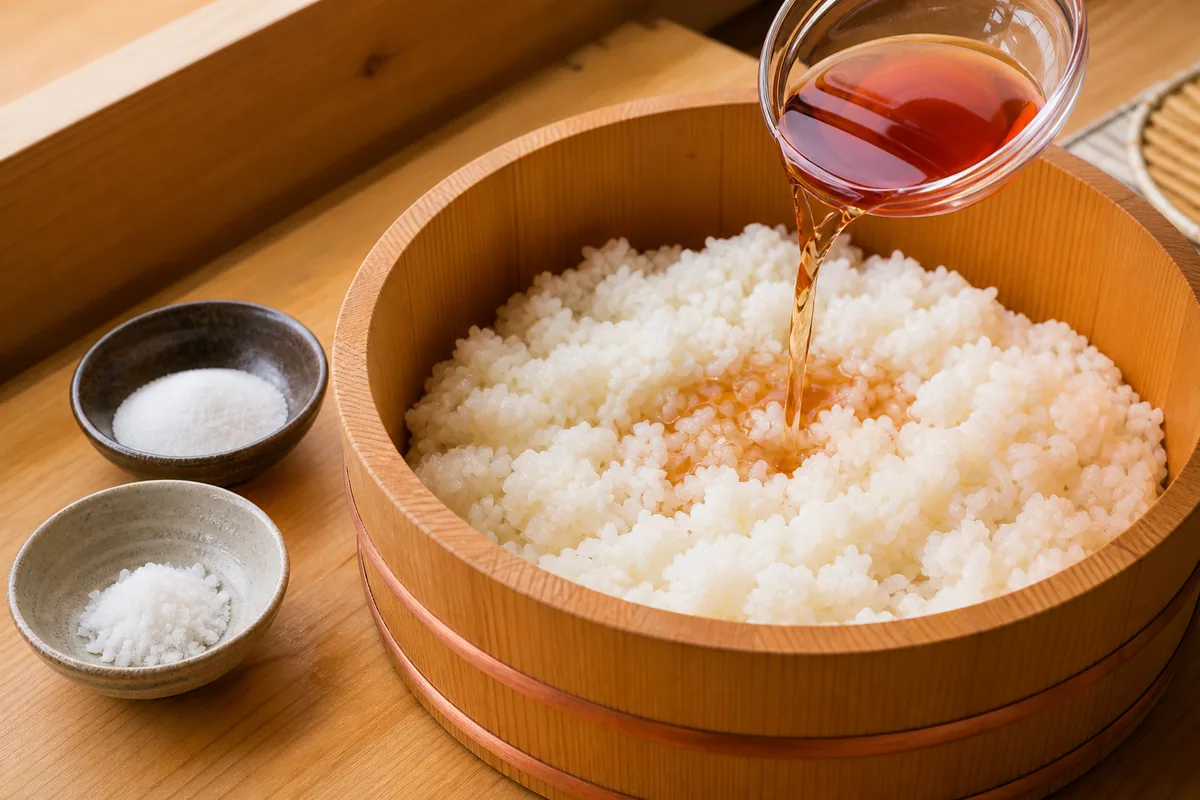
Rice Vinegar: Best suited for raw dishes like sushi (vinegared rice sushi), sunomono (vinegared salads), and dressings.
-
Grain Vinegar: Ideal for cooked dishes such as nanban-zuke (vinegar-marinated fried foods), pickles, and stir-fries.
Tips for Use
-
For Raw Consumption: Use rice vinegar to enhance the mellow acidity and sweetness of your dishes.
-
For Cooking with Heat: Use grain vinegar to add a crisp acidity that accentuates the flavors.
Cautions
-
Vinegar is highly acidic; avoid direct contact with skin.
-
Use in a well-ventilated area and take care to prevent vinegar from getting into eyes or mouth.
Next Steps
-
Learn proper storage methods and expiration dates for vinegar to maintain quality.
-
Explore differences and uses of other vinegars such as fruit vinegar and black vinegar.