
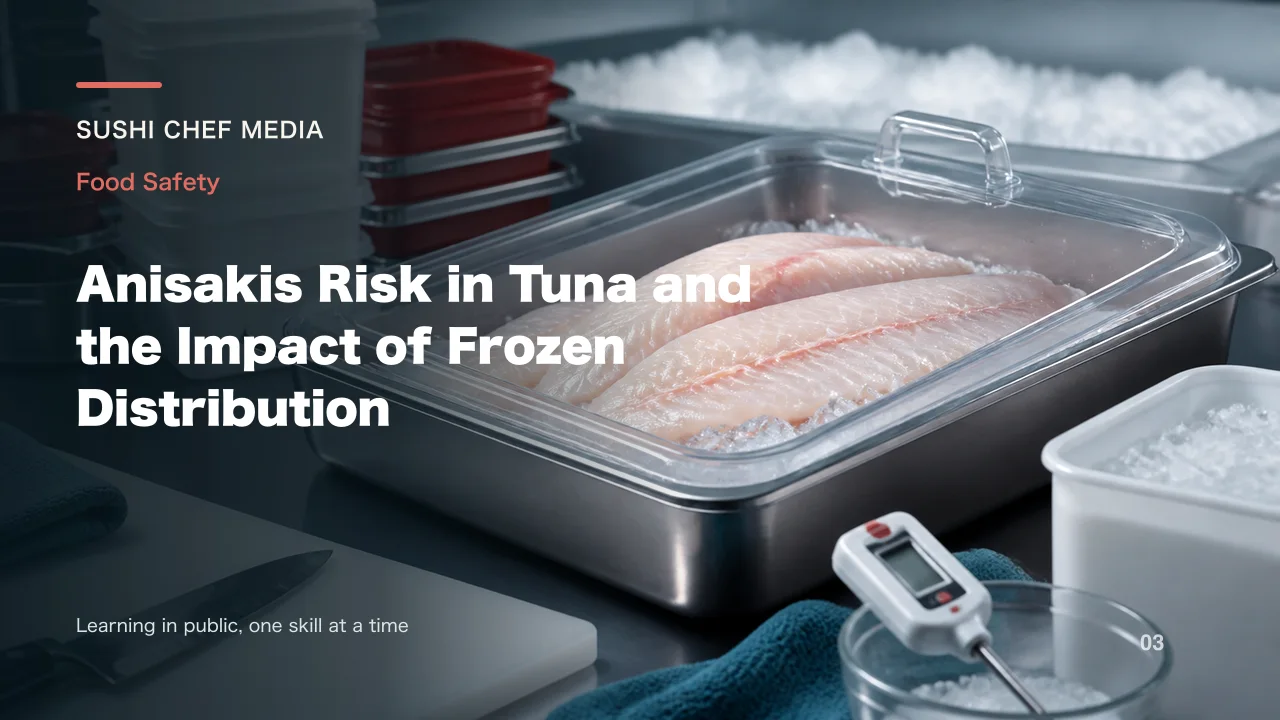
Tuna is considered to have a low rate of Anisakis parasite infestation, but it is not completely free of the risk. Anisakis is a type of parasitic worm that inhabits the internal organs and flesh of fish and seafood. For raw consumption, it is recommended that tuna undergo freezing treatment, which kills Anisakis parasites. However, caution is needed regarding the impact of frozen distribution.
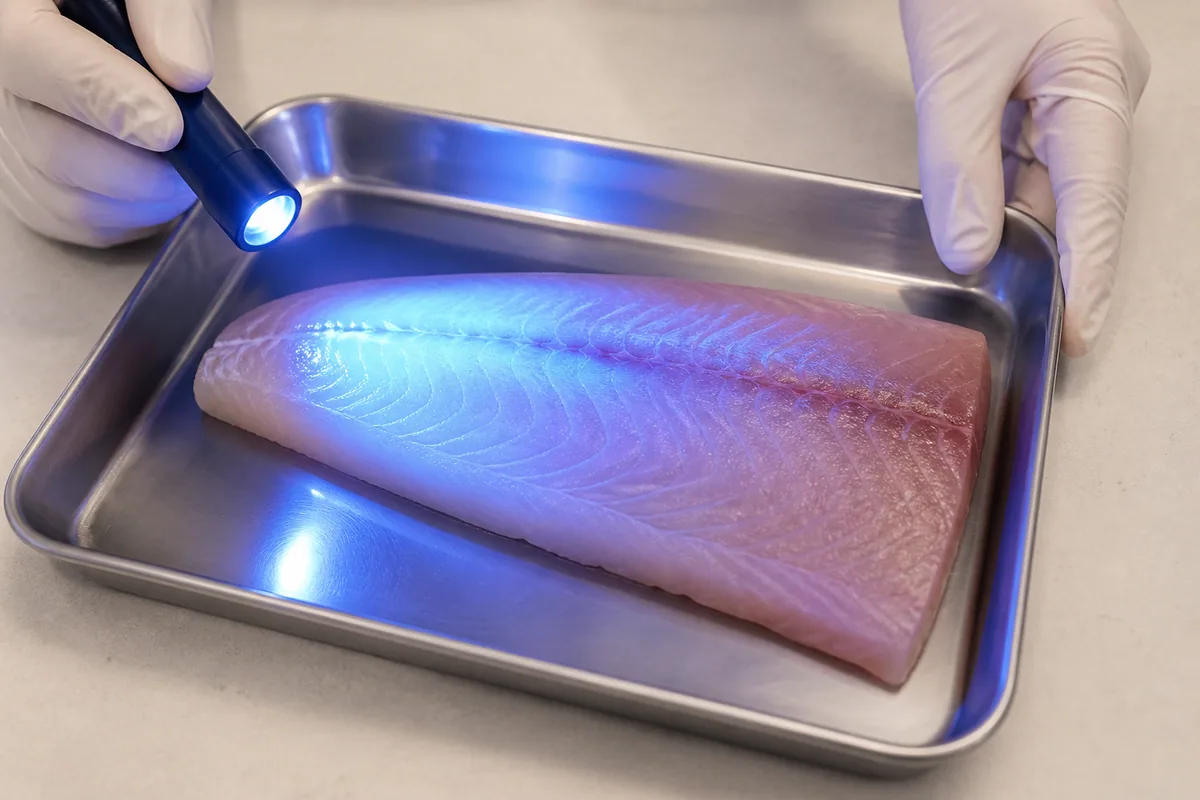
Freezing effectively kills Anisakis parasites, but if temperature control is inadequate during the frozen distribution process, there is a possibility that the parasites survive. Therefore, when purchasing frozen tuna, it is important to buy from reliable suppliers and confirm that proper temperature management has been maintained.
Summary
While tuna generally has few Anisakis parasites, the risk is not zero. Freezing kills Anisakis, but careful temperature control during frozen distribution is essential. To safely enjoy tuna for raw consumption, purchasing from trusted vendors and verifying proper hygiene and temperature management is crucial.
- Prevent Anisakis food poisoning
- Transportation of tuna: fresh tuna and frozen tuna
- Safe handling methods for frozen tuna
What to measure or check next: Confirm temperature management status when purchasing frozen tuna.