Maki sushi is a traditional Japanese dish where vinegared rice and fillings are placed on a sheet of nori (seaweed) and rolled using a bamboo mat called a makisu. Below, we provide a detailed explanation of the basic way to make maki sushi, important points to pay attention to, common points where people tend to fail, as well as the differences between futomaki (thick rolls) and hosomaki (thin rolls).
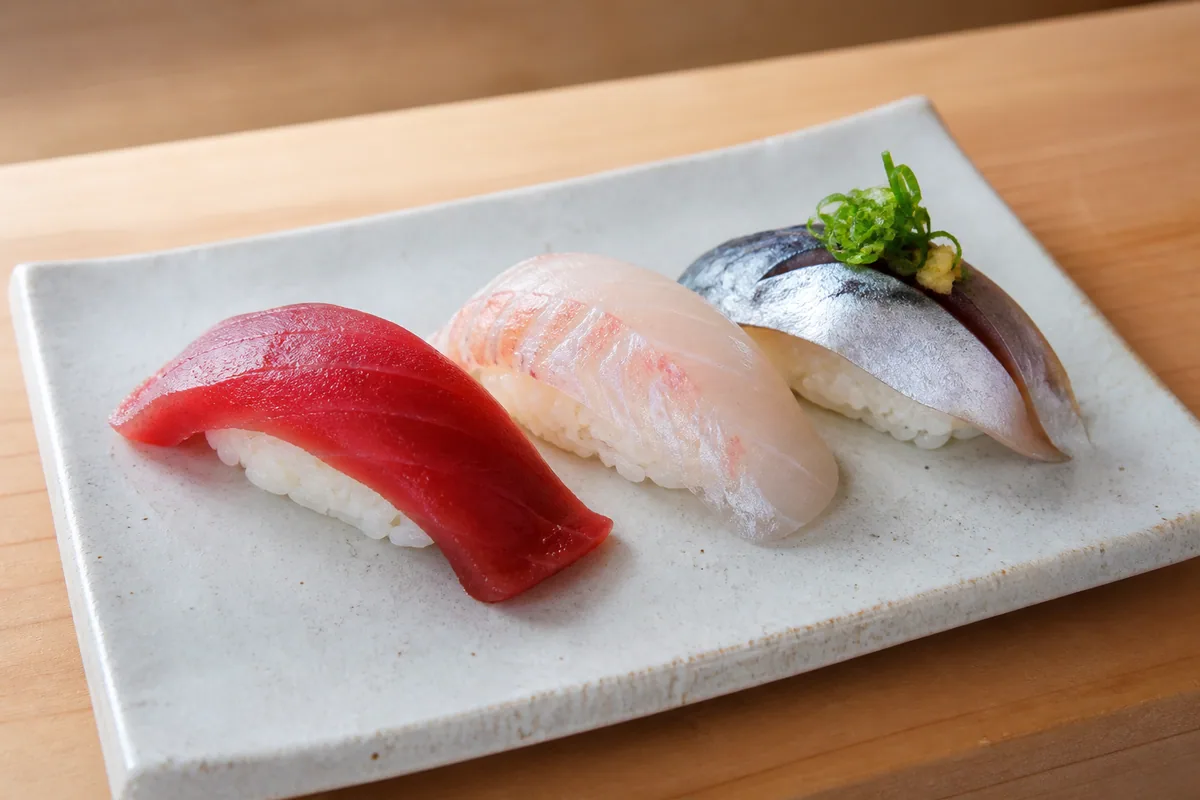
To make good maki sushi, it is important to use the proper tools, arrange the fillings appropriately, and master the rolling technique. Understanding common pitfalls and working carefully will help you create delicious maki sushi.
1. Using the Rolling Mat (Makisu)
The makisu is a bamboo mat used to roll sushi. It helps you achieve an even roll.
Procedure
- Prepare the makisu clean and ready.
- Place plastic wrap over the mat for hygiene, then lay a sheet of nori on top.
Points to Note
- Ensure the makisu is clean before use, as any contamination can introduce foreign objects into the sushi.
2. Arranging Nori and Sushi Rice
How you place the nori and sushi rice greatly affects the final appearance.
Procedure
- Place the nori sheet shiny side up on the rolling mat.
- Spread the vinegared rice evenly over the nori.
Points to Note
- If the sushi rice is too hot, it can cause the nori to become soggy. Use rice at an appropriate temperature.
3. Quantity of Fillings
The amount of fillings directly impacts the texture and flavor.
Procedure
- Place an appropriate amount of fillings on top of the sushi rice.
Points to Note
- Too many fillings make rolling difficult, while too few can lead to a bland roll. Aim for a balanced amount.
4. The First Roll
The first rolling motion determines the shape of your maki sushi.
Procedure
- Lift the edge of the makisu and start rolling it over to encase the fillings.
- Apply light pressure as you roll to shape the sushi.
Points to Note
- As with earlier, cleanliness of the mat is critical to avoid contamination.
5. Cutting the Roll
Cut the maki sushi into bite-sized pieces.
Procedure
- Wet your knife with water and use a gentle pressing motion to slice through the roll.
Points to Note
- Make sure the knife is clean before use to prevent introducing foreign objects.
Common Pitfalls and How to Avoid Them
-
Nori becomes soggy: Using sushi rice that is too warm leads to moistening the nori. Use rice at a suitable temperature.
-
Uneven rolling: Too many fillings make rolling difficult, too few lessen flavor; maintain a balanced amount.
-
Difficult cutting: A dirty knife can contaminate the sushi. Always keep the knife clean.
Differences Between Futomaki and Hosomaki
Futomaki (thick rolls) and hosomaki (thin rolls) are types of maki sushi, differing mainly in the amount of fillings and how they are rolled.
-
Futomaki: Thickly rolled sushi with abundant fillings. It has a substantial bite.
-
Hosomaki: Thinly rolled sushi with fewer fillings. It offers a lighter texture.
Summary
Making good maki sushi requires proper tools, thoughtful ingredient placement, and mastering the rolling technique. By understanding and avoiding common mistakes and working carefully, you can make delicious sushi rolls.
Reference Articles and Related Links
What to measure or check next: It is important to appropriately adjust the sushi rice temperature and the amount of fillings.