The main reasons sushi rice made from packaged cooked rice becomes sticky are the amount of sushi vinegar (a seasoning blend of vinegar, sugar, and salt), the temperature of the rice, and the way the rice is spread out. Properly managing these factors can help prevent stickiness.
If the amount of sushi vinegar (合わせ酢, awasezu: a mixture of rice vinegar, sugar, and salt used to season sushi rice) is too much, the rice will become soggy. It is important to use an appropriate amount.
2. Rice that is too hot causes the vinegar to evaporate, resulting in stickiness
When the rice temperature is too high, the vinegar evaporates, which causes stickiness. It is desirable to use rice at the proper temperature.
3. Allowing heat to escape when spreading the rice prevents stickiness
Allowing the heat to escape while spreading the rice helps prevent stickiness. Using a rice paddle (しゃもじ, shamoji) gently to spread the rice is recommended.
Notes
-
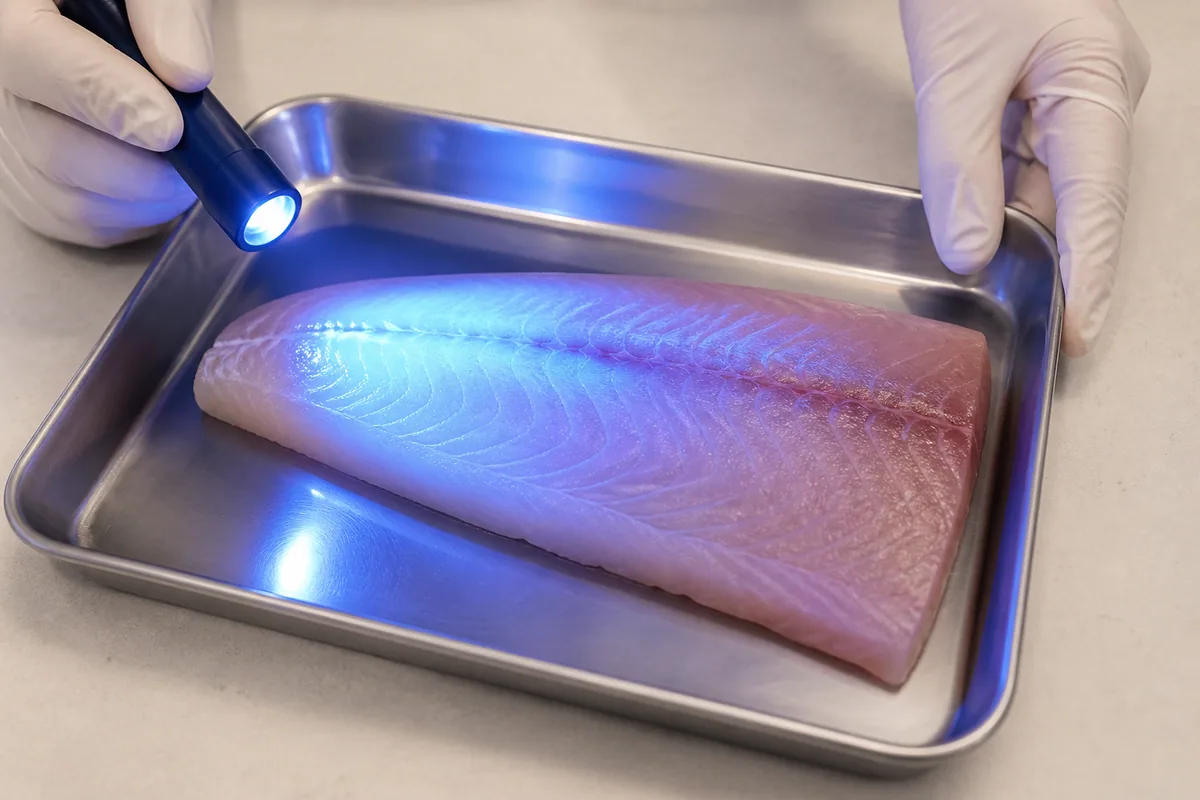
When using raw fish for sashimi (raw fish slices) or nigiri sushi, strictly maintain hygiene and check the freshness of ingredients.
-
If hygiene conditions are insufficient, handle the ingredients carefully and always confirm their freshness.
Summary
The causes of stickiness in sushi rice made from packaged cooked rice are the amount of sushi vinegar used, the rice temperature, and how the rice is spread out. By properly controlling these factors, stickiness can be prevented.
What to check next
-
Measure the appropriate amount of sushi vinegar
-
Confirm the temperature of the rice
-
Review the method used to spread the rice