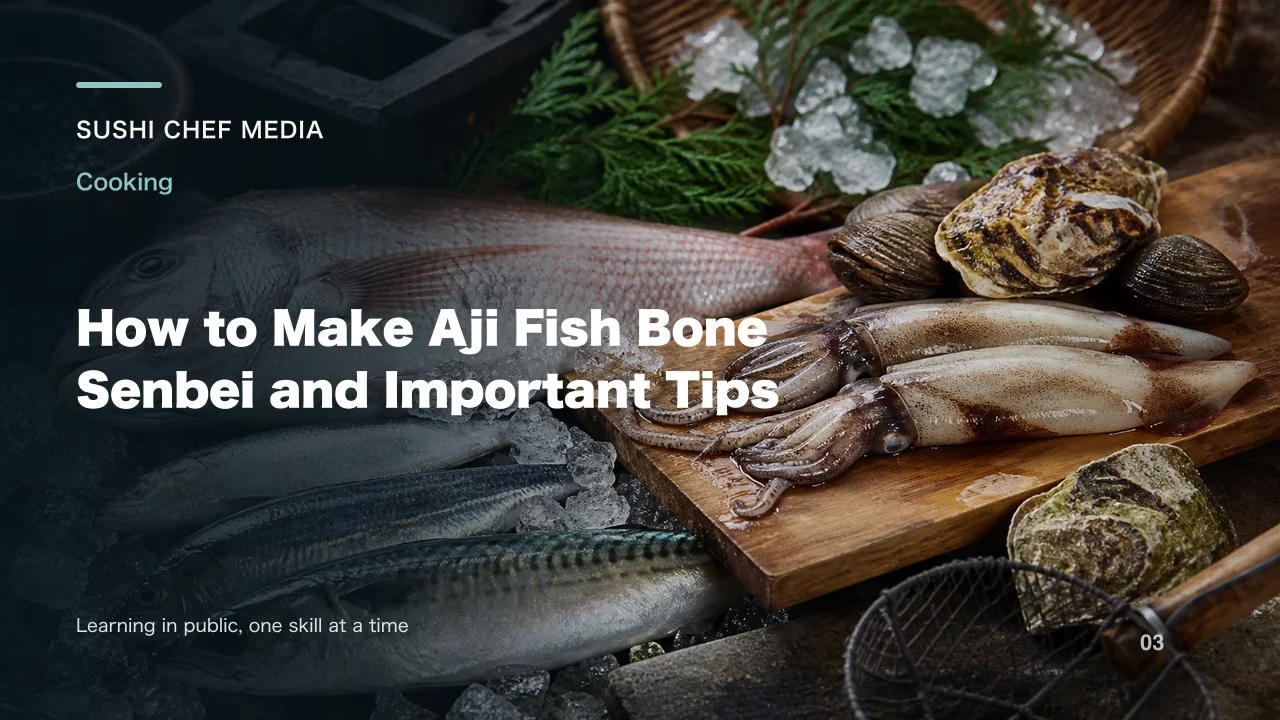
Small horse mackerel (koaji) can be enjoyed not only by frying as-is but also through several cooking methods that make the most of the whole fish, such as nanbanzuke (a dish of fried fish marinated in vinegar), karaage (Japanese-style deep frying), and bone senbei (crispy fried fish bones).
Karaage
Procedure
- Remove the gills and internal organs, rinse, and pat the small horse mackerel dry.
- Season with salt, pepper, sake, soy sauce, garlic, and ginger, then coat with potato starch.
- Deep-fry at 170–180°C until crispy.
Cautions
- Over-seasoning may mask the natural flavor of the fish.
- Frying at too low a temperature may cause the coating to become soggy.
Common Pitfalls
- Over-frying can make the fish tough.
- Frying at too high a temperature may burn the coating before the inside cooks.
Unexpected Points
- Karaage remains tasty even when cold, making it perfect for lunch boxes.
Bone Senbei
Procedure
- Remove gills and internal organs, rinse, and dry the fish well.
- Sprinkle with salt and deep-fry at 170–180°C until crisp.
- Drain excess oil on kitchen paper, sprinkle with salt again, and serve.
Cautions
- Under-frying results in bones that are too hard to eat comfortably.
- Frying oil that’s too hot can burn the fish.
Common Pitfalls
- Over-frying makes the fish too hard.
- Too low oil temperature causes soggy coating.
Unexpected Points
- Bone senbei is a popular snack paired with beer.
Summary
Small horse mackerel can be efficiently utilized through various dishes such as nanbanzuke, karaage, and bone senbei. By following each method’s steps and precautions while avoiding common mistakes, you can prepare delicious dishes. Give these methods a try and enjoy the versatility of koaji!