
When you start studying to become a sushi chef, one of the first challenges is deciding “which book should I read first?”
Books about sushi vary widely: there are recipe books for home cooks, fish identification guides, technical manuals for chefs, books about theory, and those that explore the mindset for work.
In conclusion, rather than buying a single expensive specialized book from the start, it’s more efficient to first grasp the basics with an introductory book and then deepen your technical skills with other books in sequence.
The purpose of reading books is not just to collect knowledge.
- Cooking rice and preparing sushi rice (shari)
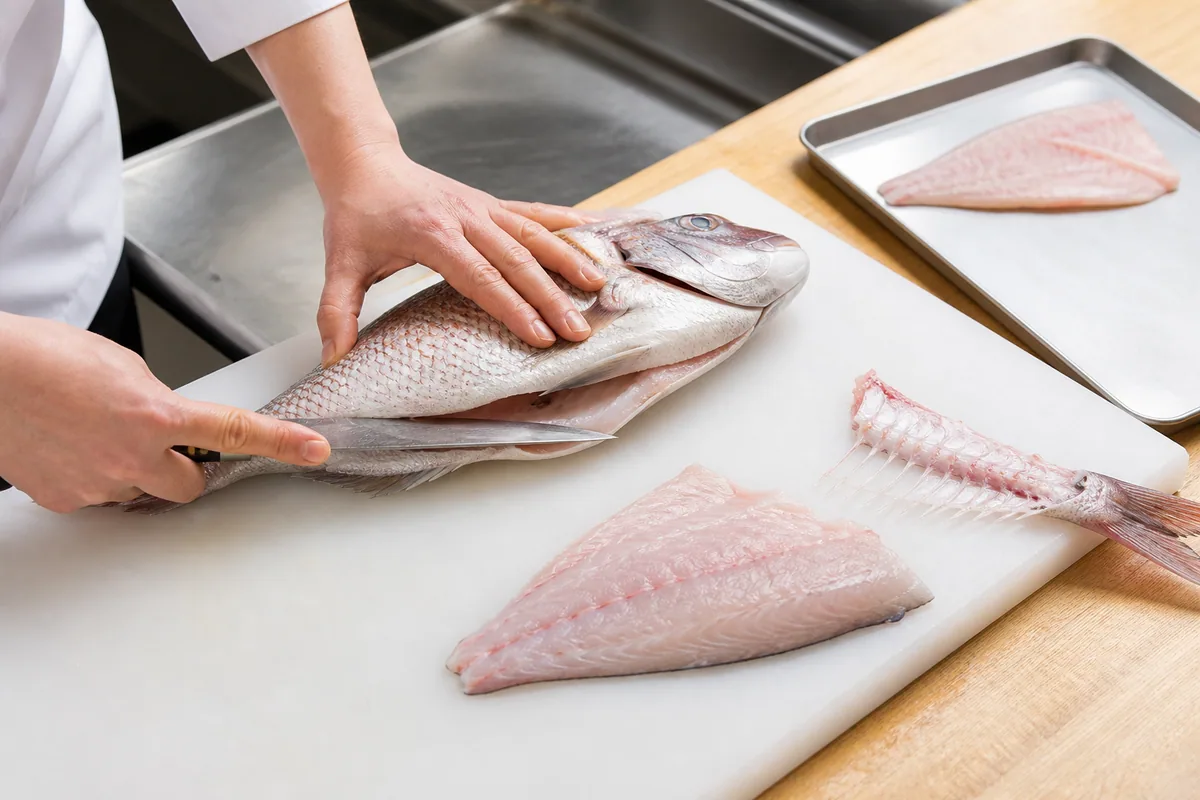
- Filleting and slicing fish
- Understanding the techniques for nigiri (hand-formed sushi) and maki (rolls)
- Learning the seasons and characteristics of toppings (neta)
- Considering why each step is necessary
- Knowing professional standards as a sushi chef
However, just reading books won’t improve your nigiri skills.
You need to check steps in books, actually hold a knife, make sushi rice, and record where you fail. Repeating this cycle is necessary.
If you’re unsure what to buy first, the following order is easy to follow:
- Grasp the big picture with “Learning Sushi Techniques Through Manga”
- Expand your practice items with “Complete Sushi Techniques”
- Deepen specialized skills with “Modern Sushi Technical Textbook: Edomae Sushi Edition”
If you plan to practice mainly at home, you can swap the second book for “Basic Sushi Techniques Gently Taught by the Owner of Ginza Sushi Aoki”.
1. Learning Sushi Techniques Through Manga | The first book for beginners
If you’re new to studying sushi, jumping straight into technical books full of terminology can be discouraging.
This book covers rice cooking, shari preparation, nigiri, rolls, slicing, and fish preparation in an easy-to-follow style using manga and photos.
Who is this book for?
- People who have just started handling a knife
- Those wanting an overall understanding of a sushi chef’s tasks
- People who find text-only technical books difficult to read
Your first book shouldn’t be about finding perfect answers but about understanding “what a sushi chef’s work involves.”
2. “Basic Sushi Techniques Gently Taught by the Owner of Ginza Sushi Aoki” | For practicing at home
This book focuses on items easy to replicate at home like makizushi (rolled sushi), chirashi (sushi bowl), inari (tofu pouch sushi), and nigiri, with photos illustrating each step.
If you want to practice at home, it’s important not just to read difficult technical books but to gather the ingredients and try completing one process from start to finish.
How to use this book
- Choose one dish first
- Prepare necessary tools and ingredients
- Compare the photos with your own work
- Note down any failed steps
Using this book alongside practice notes will increase its value.
3. Complete Sushi Techniques | For serious expansion of skills
This technical book covers a broad range of topics: nigiri method, fish filleting, slicing, sushi rice, vinegared rice seasoning, Edomae-style nigiri, and rolls.
It’s not a book for beginners to memorize everything at once.
A good approach is to pick one practice theme per session, like practicing “three-piece filleting of fish” or “controlling moisture in sushi rice” and read only the parts needed.
4. Sushi Science | For those who want to support intuition with theory
For those beginning to ask “Why do we treat this fish this way?” or “Why is the temperature of sushi rice important?”, books about theory help.
They cover fish preparation, vinegar rice, nigiri, protein changes, and encourage understanding beyond just feeling.
This is not about denying a chef’s intuition. Instead, it serves as a guide to bring intuition closer to reproducible knowledge, complementing practical skills.
5. Modern Sushi Technical Textbook: Edomae Sushi Edition | Deepening specialized skills
This is a serious manual for those who want to learn authentic Edomae sushi techniques.
Due to price and volume, it might not be the first book for complete beginners.
However, if you plan to work in sushi restaurants or want to be conscious of professional standards, this is a key reference to keep long-term.
Things to decide before reading
- Which fish filleting methods to practice
- Which areas of shari, slicing, or nigiri you want to improve
- When to try the techniques you read about
Just reading a professional book is overwhelming. Plan the next practice day before opening it.
6. Sushi Illustrated Guide | Increasing knowledge of sushi toppings
Aspiring sushi chefs need to learn not only techniques but also the names, seasons, origins, texture, and fat characteristics of toppings.
This illustrated guide is handy to deepen understanding of neta.
Why topping knowledge is necessary
Even the same fish varies in flavor with season, size, and processing.
Having knowledge makes it easier to explain to customers and decide on preparation.
7. Sushi Saito: Training and Challenge | Learning work values beyond technique
This is not a direct technical instruction book.
Still, understanding how top restaurants face their work and accumulate training carries great meaning for aspiring sushi chefs.
Reading it during tough practice periods helps reflect on “What standards keep me going?”
8. Edomae Sushi, Conquering the World | For those aiming to work abroad
If you consider working as a sushi chef overseas (e.g., the USA), besides technique books, perspectives on apprenticeship, independence, global expansion, and training others are needed.
This book sparks ideas about a sushi career abroad.
If you aim for overseas employment, also research English language skills, sanitation standards, visas, and local job conditions.
Choosing books by level and purpose
| Purpose | First Book to Read | Next Book to Read |
|---|---|---|
| Starting to learn sushi | Learning Sushi Techniques Through Manga | Basic Sushi Techniques |
| Practicing at home | Basic Sushi Techniques | Complete Sushi Techniques |
| Learning fish and toppings | Sushi Illustrated Guide | Sushi Science |
| Deepening artisan skills | Complete Sushi Techniques | Modern Sushi Technical Textbook |
| Considering overseas work | Edomae Sushi, Conquering the World | Technical books + English study |
What to do after buying a book
After reading a book, do at least one of the following:
- Cook sushi rice once
- Fillet one type of fish
- Practice slicing with a yanagiba (long sashimi knife)
- Measure the rice weight per nigiri
- Record practice results with photos and notes
Highly recommended is comparing the steps written in the book with your own results and recording them.
The more records you have, the clearer which book to read next and which skills to improve.
Summary: Movement after reading is more important than reading order
For aspiring sushi chefs, the following flow is practical:
- Get the big picture through manga
- Try basic techniques with home-oriented books
- Broaden practice with a comprehensive technique book
- Deepen understanding with theory and technical manuals
- Reflect on work mindset and overseas expansion for future vision
Books are not a substitute for practice. Reading, trying one thing, recording failures, then returning to the book — repeating this cycle is the most realistic way to study to become a sushi chef.
References
Book details, prices, stock, and distribution methods may change. Please check the latest information on Amazon or publisher websites before purchase.