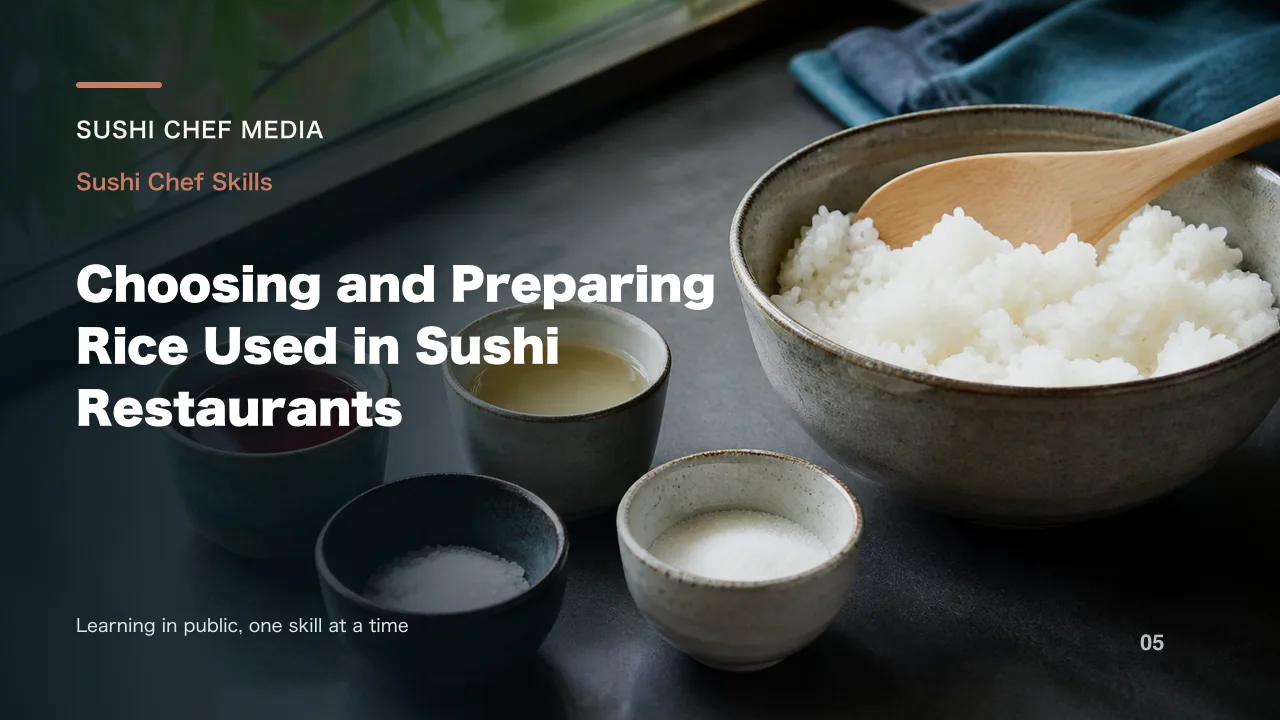
The choice and preparation of rice for sushi are directly linked to the quality of the sushi. Below is a summary of how to select rice and key points for preparing it.
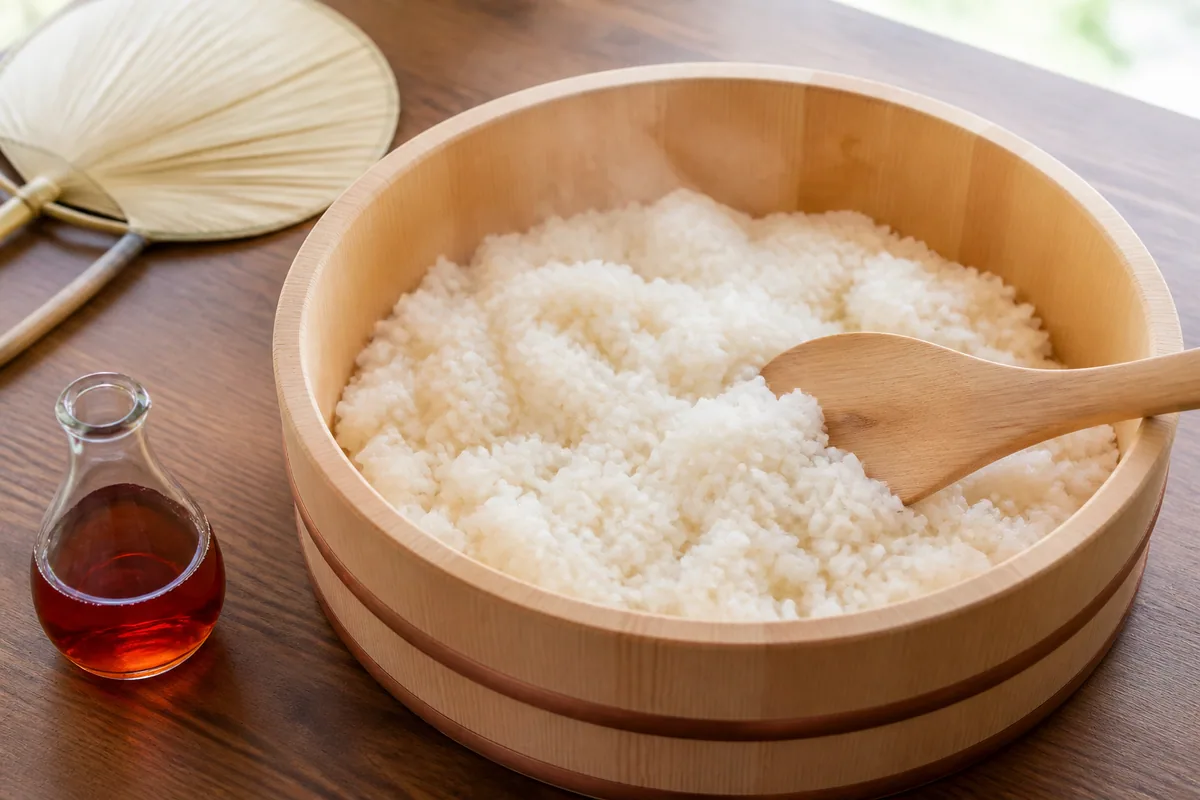
Rice suitable for sushi should not be overly sticky and should have grains that loosen easily. This results in a pleasant texture and better blending with the seasoned sushi rice (known as sushi-meshi, which is rice mixed with vinegar, sugar, and salt).
Not only the rice variety but also the following preparation methods are important.
Washing Rice
When washing rice, do so quickly and gently to avoid damaging the rice surface. Excessive washing can wash away the nutrients, so wash an appropriate number of times.
Water Ratio
The amount of water varies depending on the type of rice and the season. Generally, for 1 go (approx. 180 ml) of rice, 1.1 to 1.2 times that amount of water is a guideline, but it is recommended to adjust by actually cooking and checking.
Cooking
The settings and cooking time of the rice cooker are also important. After cooking, allow the rice to steam (rest) so that excess moisture evaporates.
Caution Points
- Excessive washing: Nutrients may be washed away; avoid over-washing.
- Incorrect water ratio: Too much water makes rice sticky; too little makes it hard.
- Insufficient steaming after cooking: Too short a steaming time may result in hard rice.
Pre-publishing Checks
- Hygiene management: Check the hygiene of raw rice and the rice cooker; thoroughly manage food hygiene.
- Practical confirmation: Actually cook and check the texture and taste of the rice.
Summary
The choice and preparation of rice greatly influence sushi quality. By practicing appropriate selection and cooking methods, you can make ideal sushi rice.