
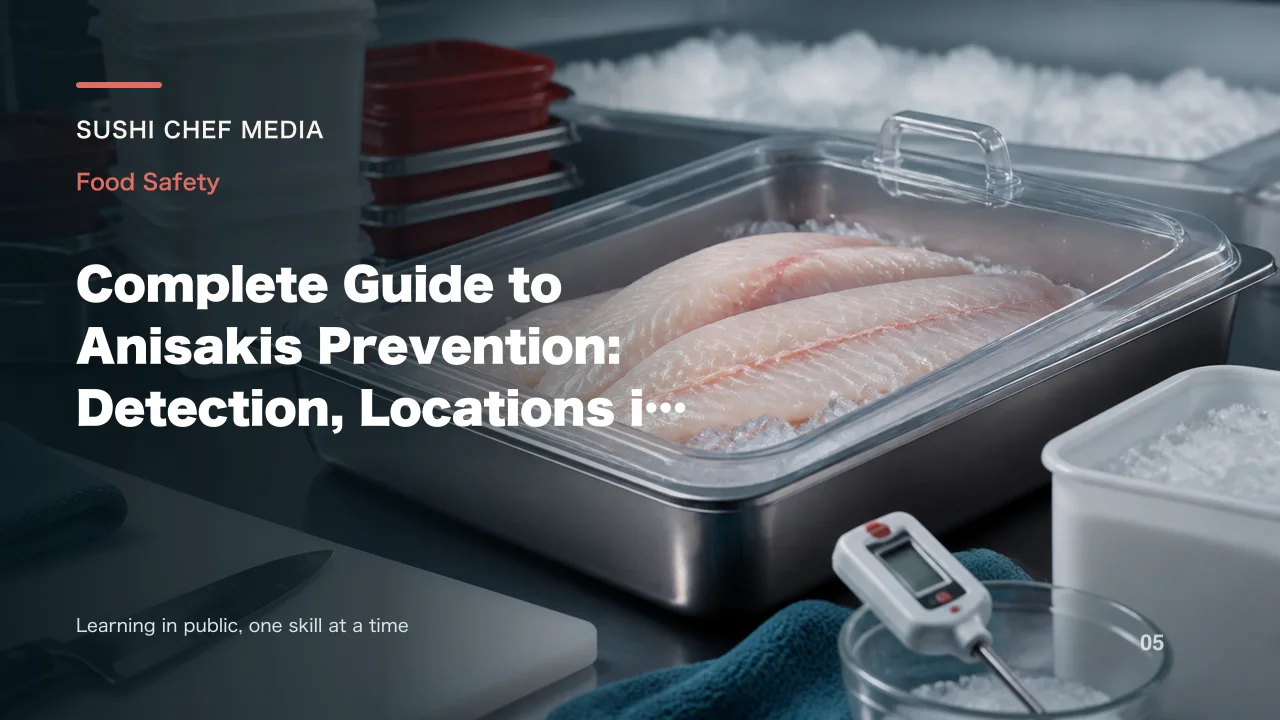
The basic measures against Anisakis are: quickly removing internal organs, visually inspecting the fish, and freezing or heating when necessary.
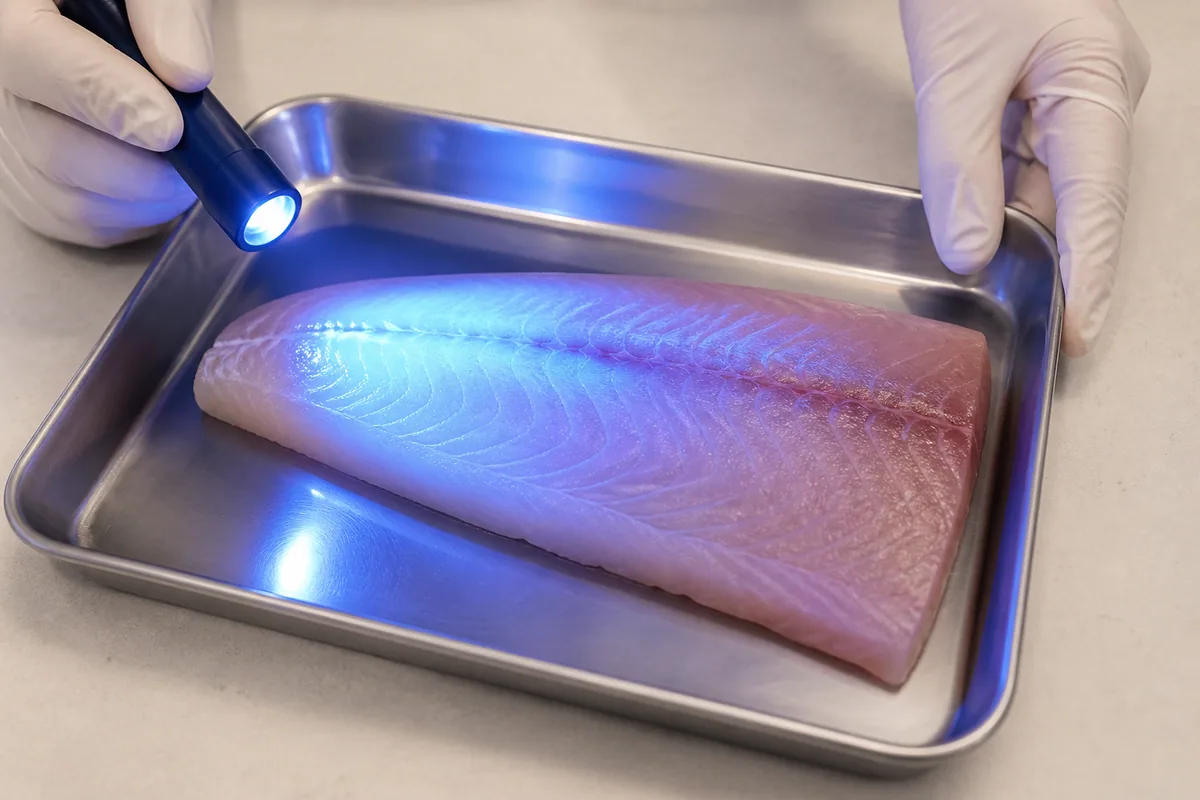
A blacklight is a tool that assists inspection, but seeing nothing under the light does not guarantee the safety of raw consumption.
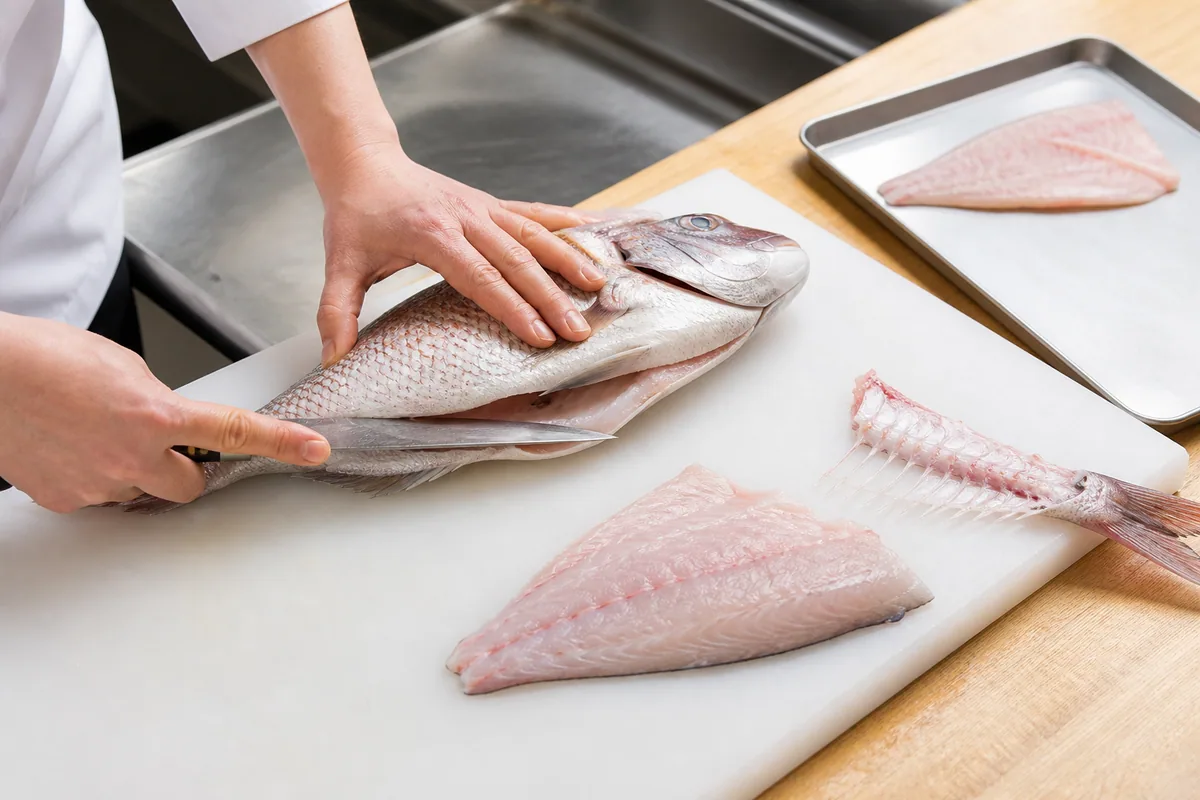
Anisakis larvae are often found around the fish’s internal organs and may migrate into the muscle after the fish dies. Do not leave internal organs in the fish for long; when preparing fish, check the internal organs and abdominal cavity.
Fish such as mackerel, horse mackerel (aji), Pacific saury, sardines, bonito, salmon, and squid are known hosts. However, safety or risk cannot be decided based on fish species alone. Consider whether fish are wild or farmed, and take into account distribution and storage conditions.
Actually Purchased a Blacklight
To detect Anisakis, I purchased a 365nm blacklight. This was to prepare the inspection environment for checking the fish surface and internal organs, and this preparation is recorded as practiced.
However, this does not mean that Anisakis was reliably detected using the blacklight. Research reports indicate that ultraviolet blacklights are a supplementary detection method and cannot detect all larvae.
Positioning When Using the Blacklight
- Handle the fish cold and visually inspect the internal organs and abdominal cavity.
- Check the surface, cuts, and areas around internal organs both in bright and dim lighting.
- Use the blacklight as an aid; if you see suspicious linear structures, examine them carefully with tweezers.
- If in any doubt, do not consume raw; switch to thorough heating or proper freezing.
Do not conclude presence or absence of Anisakis solely based on the blacklight’s reaction. Visibility changes with fish thickness and condition; it does not replace visual inspection.
Freezing and Heating as Separate Safety Measures
Japan’s Ministry of Agriculture, Forestry and Fisheries and Ministry of Health, Labour and Welfare recommend sufficient freezing or heating for Anisakis prevention. For freezing, both temperature and time are critical; for heating, ensure the fish’s core temperature meets safety criteria.
Marinating in vinegar, salting, soy sauce, or wasabi are flavor preparations and do not substitute for adequate Anisakis control under home-cooking conditions.
What If Symptoms Occur?
If you experience severe upper abdominal pain, nausea, or vomiting within hours to a dozen hours after eating raw fish, Anisakiasis may be suspected. If you feel severe abdominal pain or abnormalities, do not hesitate or self-diagnose — seek medical care immediately.
Related Topics Consolidated in This Article
- Can Anisakis be Detected Visually?
- Where Is Anisakis Located in Fish?
- Does Anisakis Risk Vary by Fish Species?
- Does Freezing Kill Anisakis?
- Is Heating Effective for Anisakis Safety?
- Do Vinegar, Salt, Soy Sauce, and Wasabi Kill Anisakis?
Each page addresses common questions as separate articles, while this comprehensive guide consolidates shared safety information.